
Fence and deck staining in Houston, done at the wood's pace.
Most Houston backyards have a cedar privacy fence and a concrete patio, and that fence is the biggest stretch of bare wood you own. We stain and paint fences by the linear foot and decks by the square foot, and on Houston jobs Ray measures it himself before there's a price.
122 Google reviews, 5.0 average.
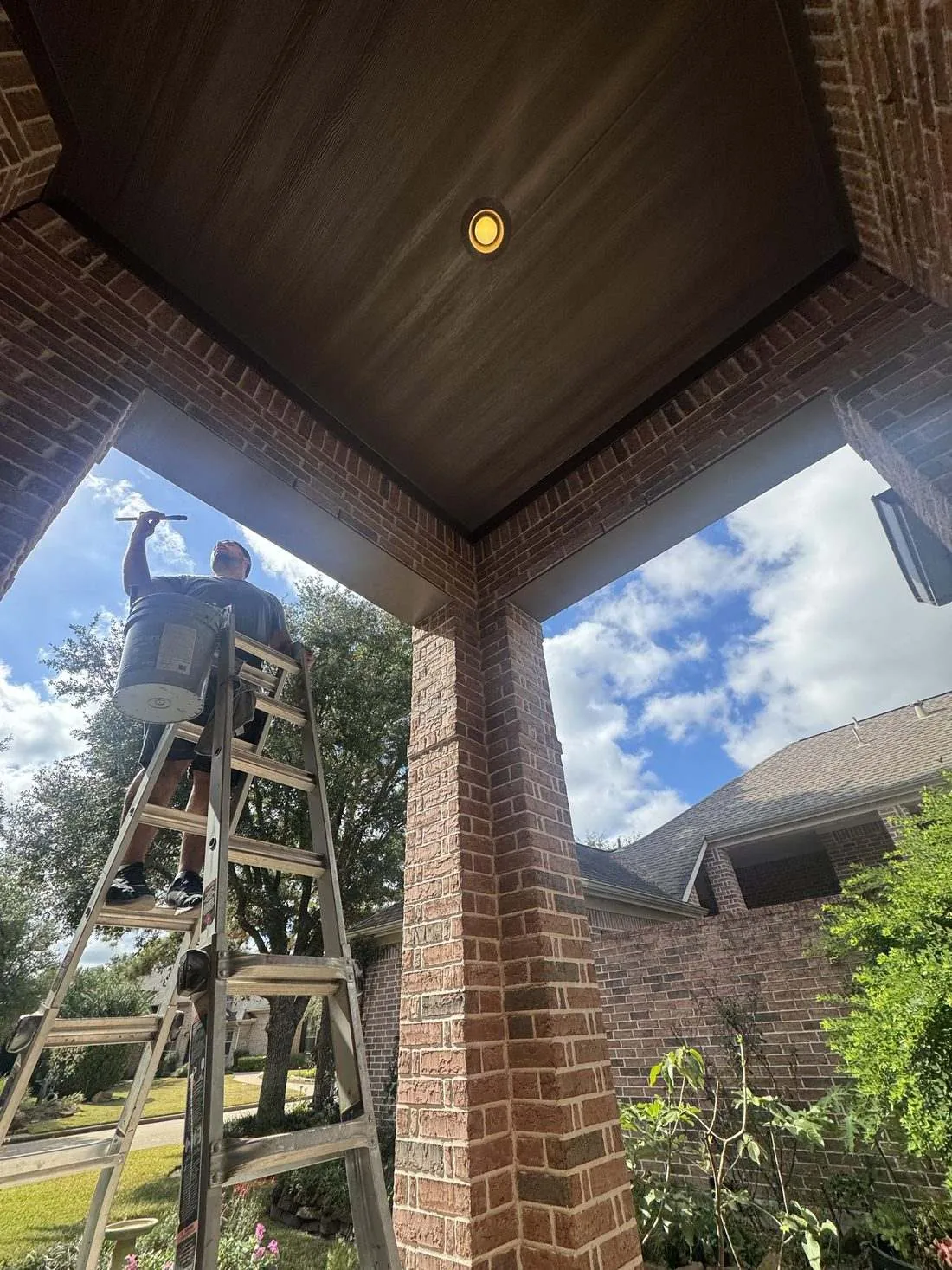
Rise and Prime Painting is a painting company in Houston, TX, and deck staining and fence staining are part of the exterior side of what we do, alongside exterior house painting in Houston. Ray Gomez has been in the trade more than twenty years, and he walks every Houston job himself. If you'd sooner do the whole exterior while you're at it, that's the same conversation with a bigger scope, and our painting company in Houston covers it.
What does fence and deck staining cost in Houston?
Fences are priced by the linear foot. Decks are priced by the square foot. Knowing the unit is what lets you compare two quotes.
Fences, by the linear foot
We measure the fence line along the ground, and height, sides, condition and coating system decide the rate it gets multiplied by. A gate is counted on its own, because it packs edges, hardware and two faces into a small space.
Decks, by the square foot
We measure the deck floor as an area. Rails, stairs, spindles and skirting get counted on their own, because they're slow work with a lot of edges and they don't behave like open floor.
Rot and damaged boards
Inspection required, and never a number buried in a stain quote. Soft wood gets flagged at the walkthrough so you can see what's finish work and what's a repair before anything starts.
Our residential project minimum is $1,000. It only applies when the measured price falls below it. It isn't a starting price, and it isn't what a fence costs.
Four things move the number on a fence.
Cedar, the usual wood for a Houston fence, is soft and thirsty and grays from the top down. Two fences of the same length can sit a long way apart on price, and these four factors are why.
How tall it is
Six foot and eight foot are not one third apart in price by accident.
Going from a six foot fence to an eight adds about a third more surface to every panel you've got, so the jump is bigger than the two feet sounds. Height gets measured on site, because guessing it off a photo is how a quote goes wrong.
One side or both
The single biggest swing, and the one most quotes leave vague.
Staining both faces costs close to twice the material and twice the time. If a neighbor's splitting the cost with you, say so early and we'll price it that way.
What condition it is in
Gray cedar, an old solid stain and bare new wood are three different jobs.
Cedar that's grayed out and grown a film needs washing, and then it needs drying time before anything goes on it. A fence that's still holding an old solid stain is a different job again, because what's on there now decides what can go on next.
Which coating system it takes
Transparent, semi-transparent and solid are three prices.
They wear differently in Houston sun, so Ray picks the system with you at the walkthrough, standing in front of the fence, because that's not a call you can make over the phone.
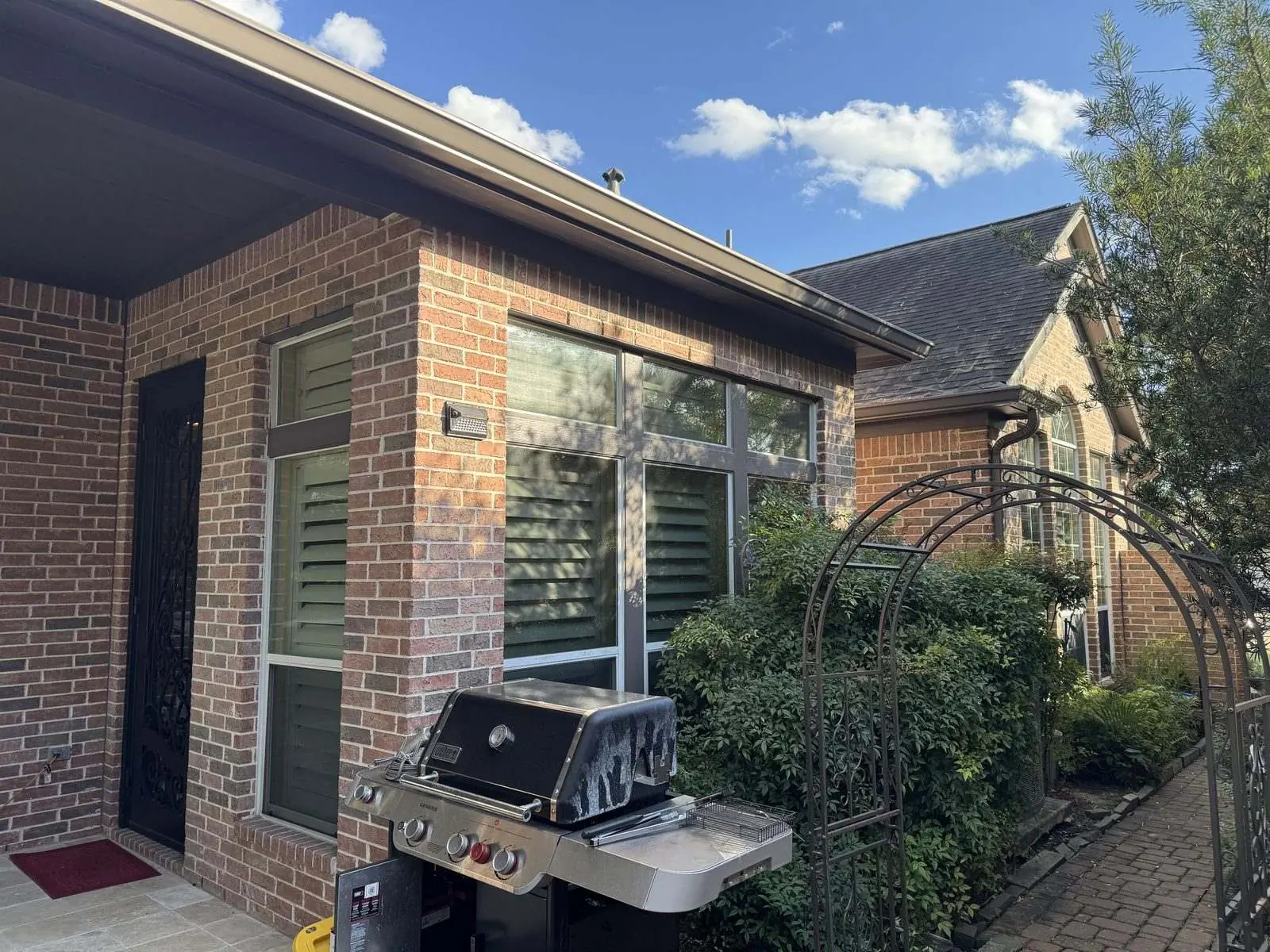
Houston yards are mostly fence.
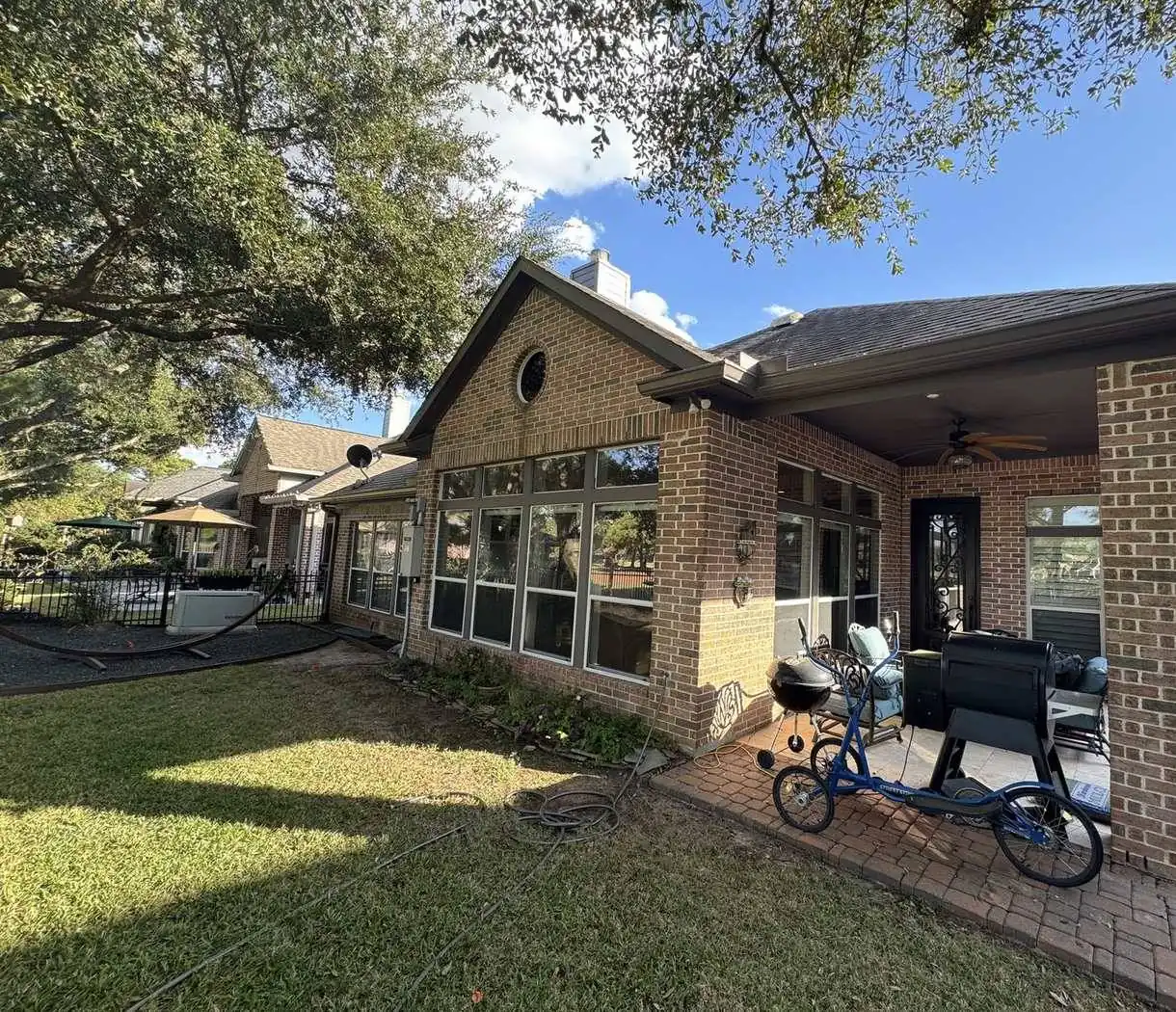
The ground here is flat and the houses sit on slab, so your outdoor space is usually a concrete patio or a covered porch. Raised wooden decks belong to hillsides and cold climates, and Houston hasn't got either one.
What many yards do have is a cedar privacy fence, six or eight feet of it, along the whole boundary. It's the biggest area of bare wood you own, it takes direct sun on at least one face for most of the day, and it's the first thing on the property to go gray. If you're weighing up which exterior job to do first, it's usually that.
Plenty of Houston homes do have decks and we stain plenty of them, so we're not talking you out of yours. We're just telling you the order the work goes in.
Get the fence measured.
Tell Ray roughly what you have and he will come look at it. On a Houston job Ray measures the fence line or the deck, checks the condition of the wood and what is already on it, and writes the price himself.
- 122 Google reviews, 5.0 average
- Fully insured
- Owner-operated since 2016
Ray writes the estimate himself.
On Houston jobs Ray comes out himself. He walks the fence line or the deck, measures it, and looks at the parts that decide the number: whether the wood's bare or still holding an old coating, how far the graying has gone, whether any boards have gone soft, and whether you want one face or both.
You get a written scope with a single figure on the end of it, and anything that could change that figure is named up front so you don't find it halfway through.
The coating systems we trust on exterior wood.
Stain isn't one product. Transparent, semi-transparent and solid wear differently, cost differently and suit different wood, and whatever's already on your fence narrows the choice before anyone opens a can.
WoodScapes
Built for Decks, fences and exterior wood
Wood outdoors wants a coating that wears back gently. This one soaks into the grain and wears back as the weather works on it, fading a little more each season.
Duration
Built for Interior and exterior, by substrate
Built to sit outside in Houston sun and Baltimore winters. It stays flexible as the substrate moves, and that flexibility is most of what stops a coat cracking.
SuperPaint
Built for Interior and exterior, by substrate
The workhorse. On the right surface it does everything the premium lines do for less, and knowing which surfaces those are is the job.
Which one your house gets is decided by the surface, at the walkthrough. The product name is written on the quote before you sign it, so you can look it up yourself.
Should you stain or paint a Houston deck or fence?
The short version: stain soaks in, paint sits on top, and that one difference decides everything else about how the finish lives and how it dies.
Stain wears by fading, so when it's time to redo it you wash it and put another coat on. Paint wears by peeling, so when it's time to redo that you're scraping and stripping first. On a deck floor the gap between those two is wide, because water stands on a horizontal surface and it never stands on a fence.
On a fence either one can be right, and what usually decides it is what's already on the wood. A fence that's been solid-stained can't simply go back to transparent, and a bare cedar fence has options a coated one doesn't. You have to look at it to answer it, which is one of the things Ray settles at the walkthrough.
What happens on a stain job, in order.
Ray walks it and measures
The fence line in linear feet, or the deck in square feet, with the rails, stairs and gates counted separately. He notes the condition and whatever coating's on there while he's at it.
A written scope, one number
What's being coated, which system it takes, and what's excluded. Anything needing a closer look gets named as inspection required, so it never hides inside the figure.
Wash, then wait
Gray wood isn't only discolored, it's a degraded surface. It gets washed, then it gets time to dry all the way through, because coating damp wood is how a good product fails early.
Protect what is not being coated
Slab, patio, plants, siding and any hardware that's staying on the gate. Overspray on a concrete patio doesn't come off, which is why it gets covered before anything else starts.
Coat it
Applied the way that system calls for. Edges, posts and rail tops get the time they need, which is more time than the quick way would give them.
Walk it again together
Same walk as the start, with the work done, so you see the finish against what was written down at the beginning. Anything on your punch list gets handled before the project closes out.
Take it from the people who've hired us.
Why a workmanship warranty matters.
We carry a 3-Year Workmanship Warranty on qualifying painting projects, and it's specific about what it covers and what it doesn't. It starts the day the project is completed. Stain is a different system from paint, so Ray confirms its terms separately before you sign.
What it is for
Application failure. If a coating we put on a surface we prepared comes off early because of how it went on, that's ours to fix.
What it doesn't cover
Water getting in, the structure moving, the substrate itself failing, an old coating underneath letting go, wood rot, impact, wear, and work somebody else did afterwards. We name them here so you know exactly where the coverage starts and stops.
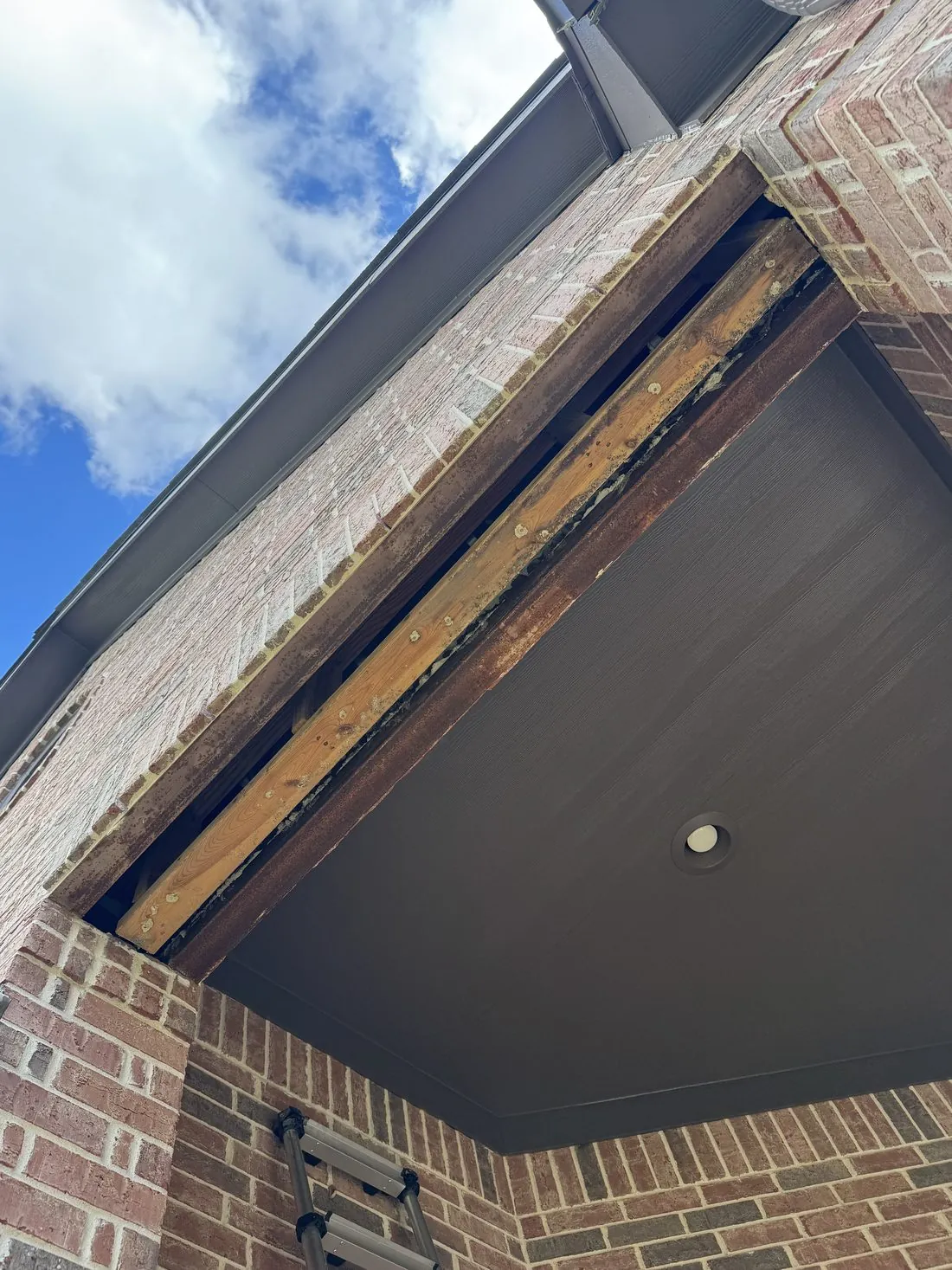
On exterior wood, rot and moisture are what to watch for, which is exactly why soft boards get flagged as inspection required at the walkthrough. Coating over them hides the problem instead of fixing it.
We're also an EPA Lead-Safe Certified Firm. That matters on exterior wood built before 1978 that's carrying a coating already on its way out, because that's the point where sanding a rail stops being a simple job.
Staining is maintenance. Replacing boards is carpentry. The second one costs a multiple of the first.
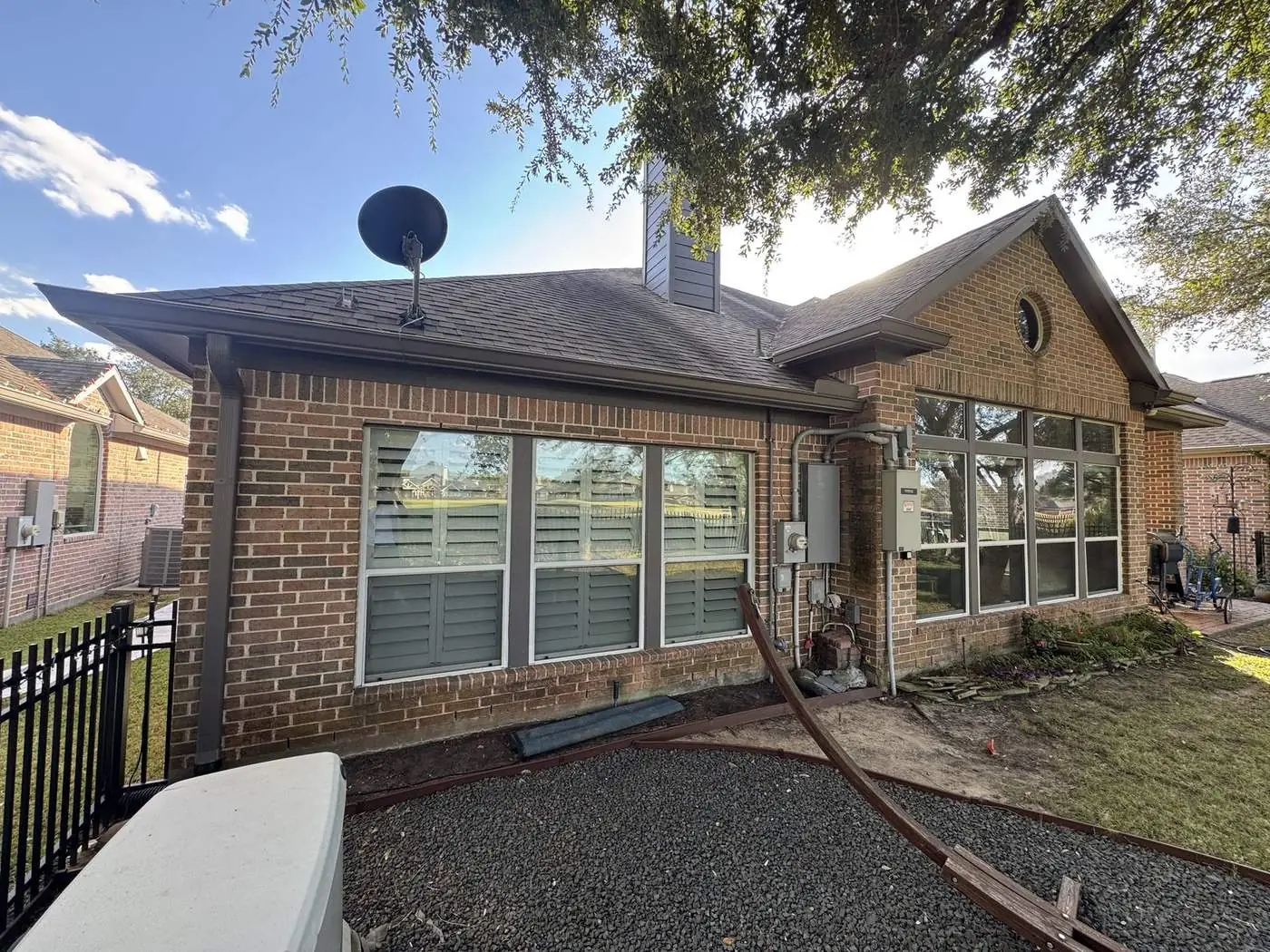
Exterior work around north Houston.
Cut lines, trim returns, the join where the wall meets the ceiling. The edges are what you are paying for.
Fence and deck staining questions.
How much does it cost to stain a fence in Houston?
Fences are priced by the linear foot, and the rate moves with four things: how tall it is, whether you want one side or both, what condition the wood's in, and which coating system it takes. That's why Ray measures the fence line and looks at the wood before he quotes, and why you won't get a figure over the phone. Our residential project minimum is $1,000, and it only applies when the measured price lands below it.
How much does it cost to stain a deck?
Deck staining services are priced by the square foot, because a deck is a surface where a fence is a line. Rails, stairs, spindles and skirting get counted on their own, since they're slow work with a lot of edges in them. The same $1,000 residential minimum applies, and again it only kicks in if the measured price comes in under it.
Should you stain or paint a Houston fence?
Stain soaks in and wears by fading, so when it's time to redo it you wash it and put another coat on. Paint sits on top and wears by peeling, so when it's time to redo that you're scraping first. On a deck floor that gap is wide, because water stands on a deck and it never stands on a fence. On a fence either one can work, and what usually decides it is whatever's already on there. Ray will tell you what your wood is asking for.
Why is a fence the bigger staining job in a Houston yard?
A cedar privacy fence is the biggest stretch of bare wood in many Houston yards, because of how the houses here are built. The ground is flat and the houses sit on slab, so the outdoor space tends to be a concrete patio or a covered porch, and the fence along the boundary takes direct sun for much of the day. It grays out first, and it's the bigger half of this work.
What is the best time of year to stain a fence in Houston?
Rain and dew set the limits here, and cold almost never does. Wood has to be dry the whole way through, so what matters is the stretch of dry days you get. Spring and autumn are the comfortable windows for that. Summer works fine too, as long as the work follows the shade around the house.
Does the wood need to be pressure washed first?
Deck and fence wood gets washed first, as part of the prep. Gray cedar isn't only discolored, it's a degraded surface layer, so a coating put over it bonds to something that's already letting go. The wash comes first, then the wood gets time to dry before anything else happens. Wood is also the surface a pressure washer ruins fastest, which is covered on our washing page if you want the detail.
What if there are rotted or damaged boards?
Rotted or damaged boards get flagged at the walkthrough and marked as inspection required, so they never disappear into a stain price. Coating over soft wood only looks good for a season, and then you're paying for the repair anyway. You should see the split between finish work and repair before anything starts.
Who gives the estimate?
Ray does, in person, on Houston jobs. He measures the fence line or the deck himself, checks what condition the wood is in and what is already on it, and writes the price. No commissioned salesman in the middle, and no number produced from a photo.
Do you work outside Houston itself?
Yes, we work across the north Houston area, and that covers Tomball, Spring, The Woodlands, Conroe and Humble. You get the same standards in every one of them.
Is anyone on site who speaks Spanish?
Yes. Ray speaks Spanish and so does the crew, so questions that come up out in your yard, about the stain, the prep or the schedule, can be asked and answered in Spanish.
Fences and decks across north Houston.
Same standards in every one of them. What changes town to town is the housing stock, and that is what changes the prep.
Deck and fence staining in Tomball
Older stock around the town center and new build out toward 249.
Deck and fence staining in Spring
Big subdivisions and big elevations, with plenty of direct Texas sun.
Deck and fence staining in The Woodlands
Trees, shade and moisture, with plenty of wood trim, fences and decks among the mix.
Deck and fence staining in Conroe
Lakeside properties, acreage and long drives.
Deck and fence staining in Humble
Established neighborhoods, with Lake Houston and the airport both close by.
Get the deck or the fence measured.
Send the rough size and how the wood looks now. Gray, weathered wood and wood that still has a finish on it are two different jobs, and which one you have decides the price more than the square footage does.
Doing the outside of the house too? Exterior house painting and the deck can share one setup.
Get my free estimateor call Ray on (443) 743-8052