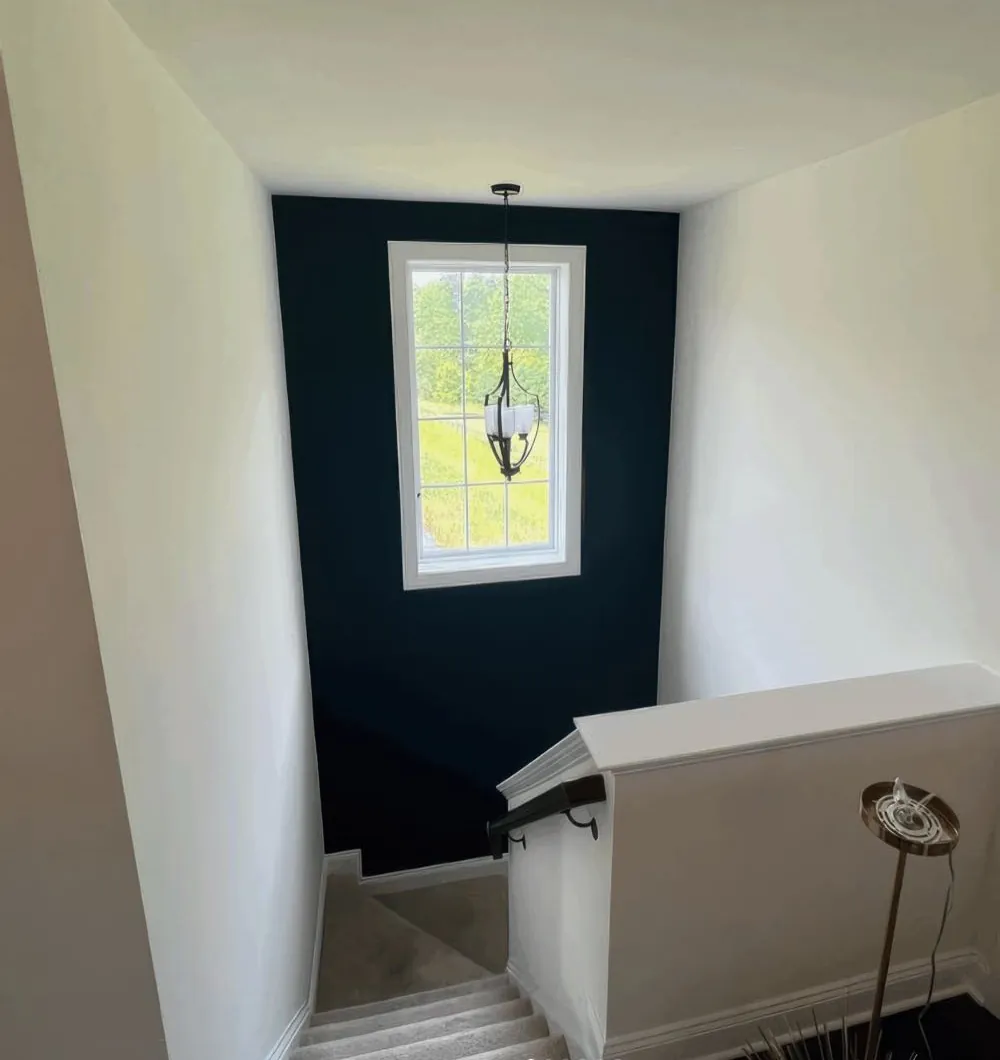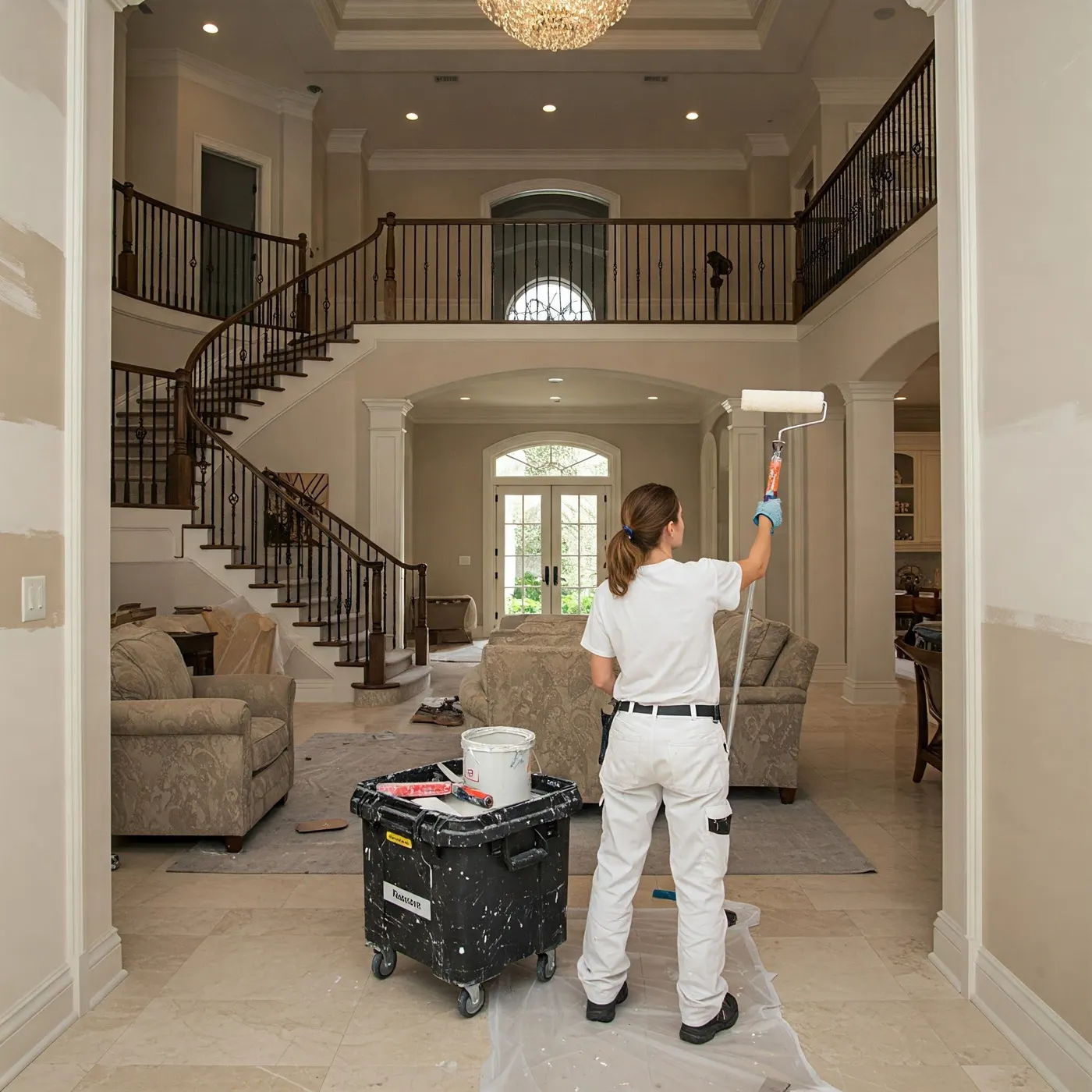
How to prepare for painters comes down to knowing which jobs are yours and which belong to the crew. Yours are the walls, the small things and the decisions: pictures down, shelves cleared, colors chosen. The crew’s are the covering, the patching and the surface preparation the paint depends on. Hiring professional painters saves you the ladder work of painting your home, but an evening of your own prep still shapes how the paint job goes.
On Houston jobs, Ray walks the house himself before the painting project starts, and for most residential projects he writes a detailed estimate on the spot during that walkthrough. It’s the best time to ask what you should move and what the crew will move for you, because the answer changes from one house to the next.
How do you prepare for painters?
Preparing for painters starts with four things you can do before anyone arrives, whatever the size of the painting project.
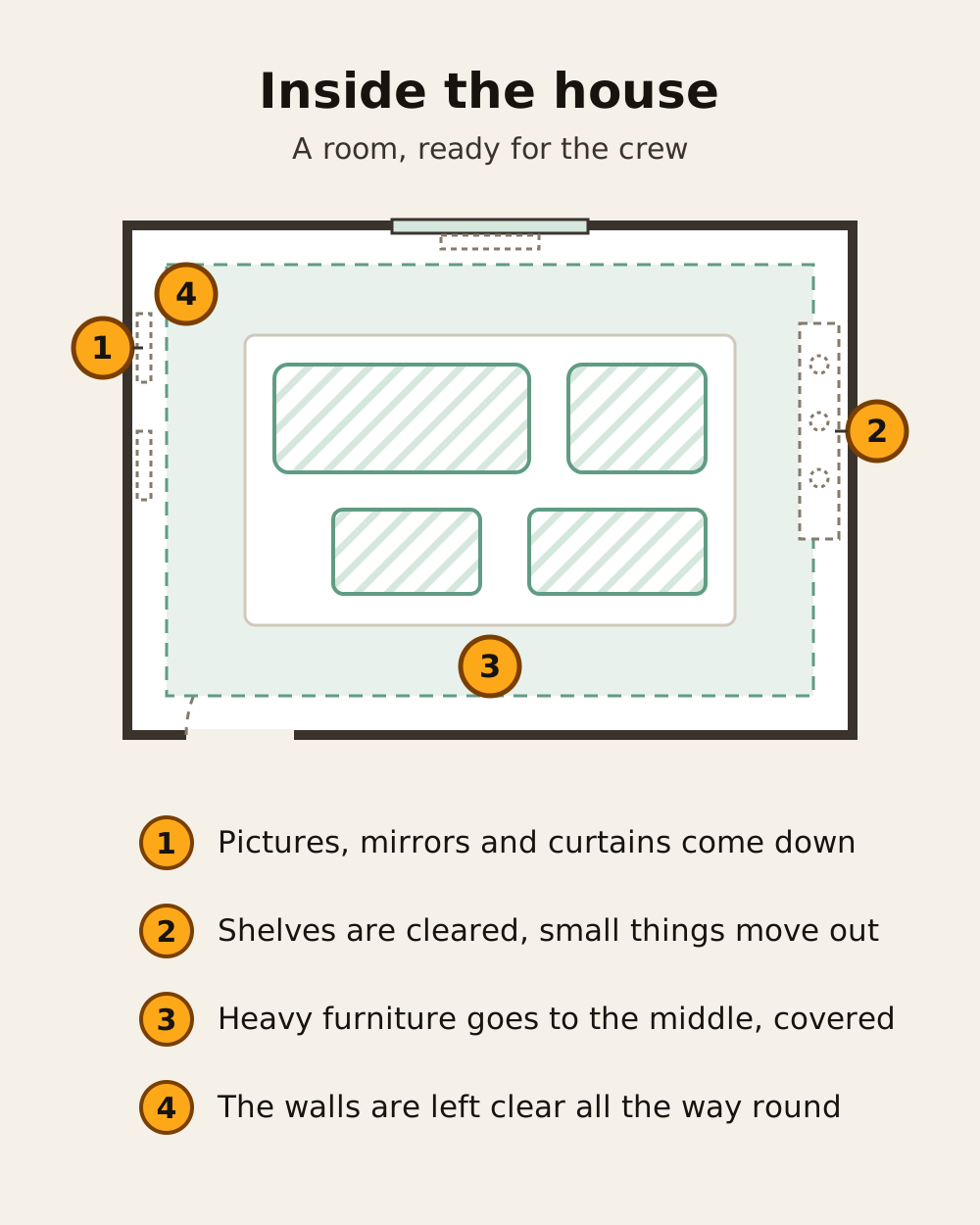
Empty the walls
Pictures, mirrors, shelves, curtains and rods come down. Leave a nail in any hole you want to reuse, and say so.
Clear the surfaces
Lamps, books, electronics, plants and anything breakable come off tables, shelves and windowsills.
Flag the fragile pieces
Point out anything fragile or irreplaceable at the walkthrough, and agree how it gets handled before day one.
Plan for people and pets
Decide where children and pets will be, which bathroom the crew can use and where they can park.
Planning for people matters more on a bigger house. A Rise and Prime crew is typically 2 to 4 painters, scaled to the scope of the job, so plan parking and a bathroom for that many people, and a spot near the door where buckets and ladders can live for the length of the work.
Homeowners often ask whether they should wash the walls or patch the holes themselves before the crew arrives. You don’t need to. With a professional painting company that work is part of the job, and doing it twice only costs you an evening.
Do I have to move furniture for painters?
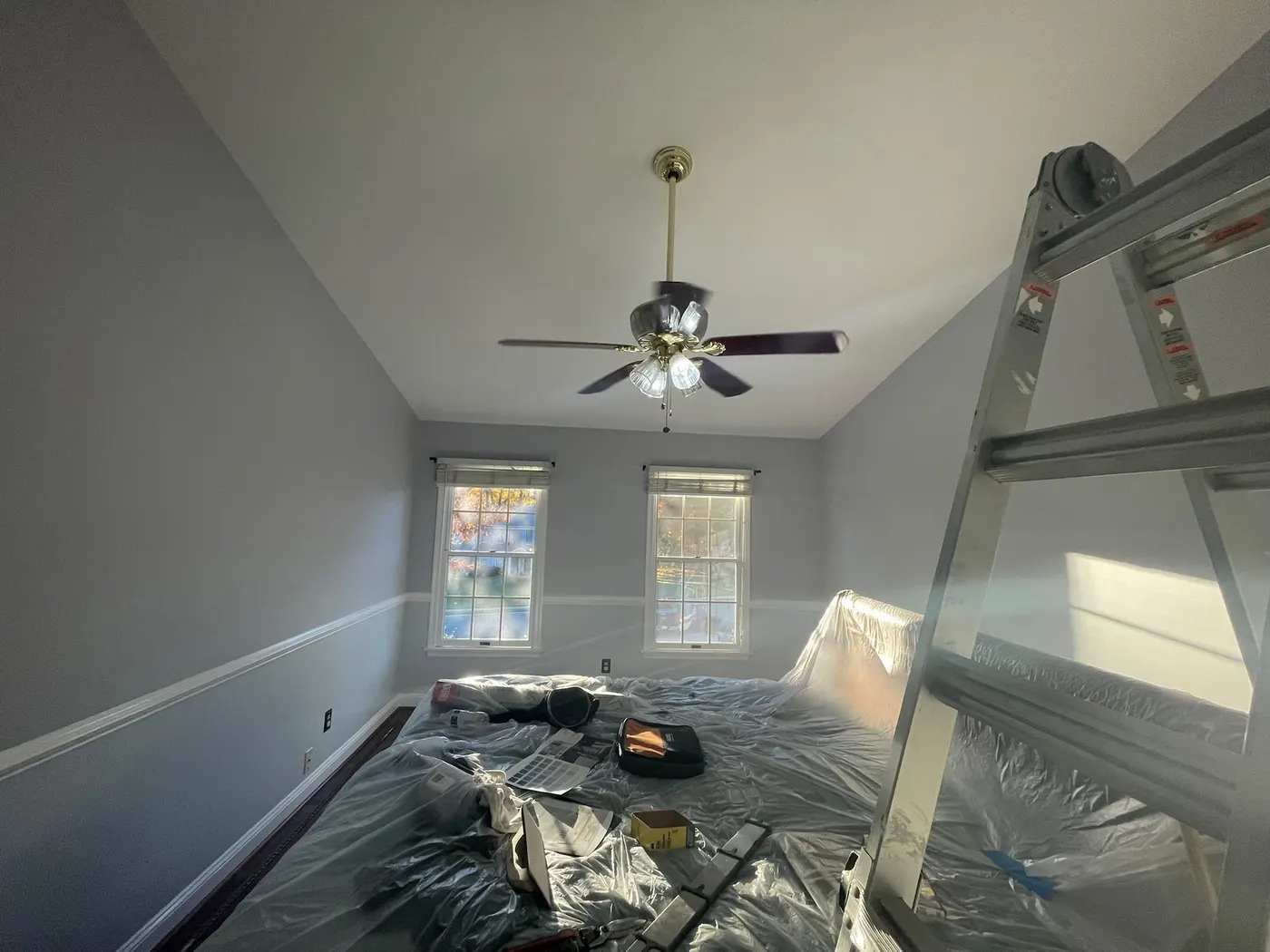
Heavy furniture usually stays in the room for interior painting, and house painters are used to working around it. It gets pulled toward the middle and covered, and the walls around it get painted. What helps is taking out what’s small, fragile or valuable, because a covered pile of furniture is safe from paint and not much else.
- Take out jewelry, electronics, framed art and the contents of glass-front cabinets.
- Empty any bookcase or dresser you’d like moved, since a loaded one is heavy and can tip.
- Leave beds, wardrobes and the living room sofa where they are, and say at the walkthrough which pieces have to move.
- Unplug TVs and computers, and ask whether taking down a wall-mounted TV is part of the scope.
- Empty closets completely if they’re being painted, shelves and floor included, since a crew can’t paint around a full rail of clothes.
In a house built before 1978, the prep itself needs more care. Sanding or scraping old paint that contains lead makes dust, and the EPA requires paid work that disturbs more than 6 square feet of it per room inside to be done by a certified firm. Rise and Prime Painting is an EPA Lead-Safe Certified Firm, so on an older house the lead-safe work practices are part of the job from the first day.
Do professional painters clean the walls first?
Professional painters clean the walls that need it before painting, because paint doesn’t bond well to grease, dust or soap film. Kitchen walls, bathroom walls and the area around light switches get the most attention. Surface preparation also covers filling nail holes and dents, sanding patches smooth, caulking gaps along trim and priming repairs so they don’t show through the new color. Bathrooms add one more step where there’s mildew, which has to be treated and washed off before any paint goes near it.
| Before the painters arrive | What a professional crew handles |
|---|---|
| Take down pictures, mirrors and curtains | Covering floors and furniture |
| Clear shelves, counters and windowsills | Washing walls that need it |
| Move small and fragile things out | Patching holes and dents |
| Choose colors and sheens | Sanding, caulking and spot priming |
| Plan for pets, parking and keys | Taping and masking the edges |
The 80/20 rule painters talk about is the crew’s side of that work: proper preparation decides most of a good result before the first coat of paint goes on. It’s also why it pays to ask, at the estimate, which of those steps are written into the scope.
How to prepare your kitchen for cabinet painting
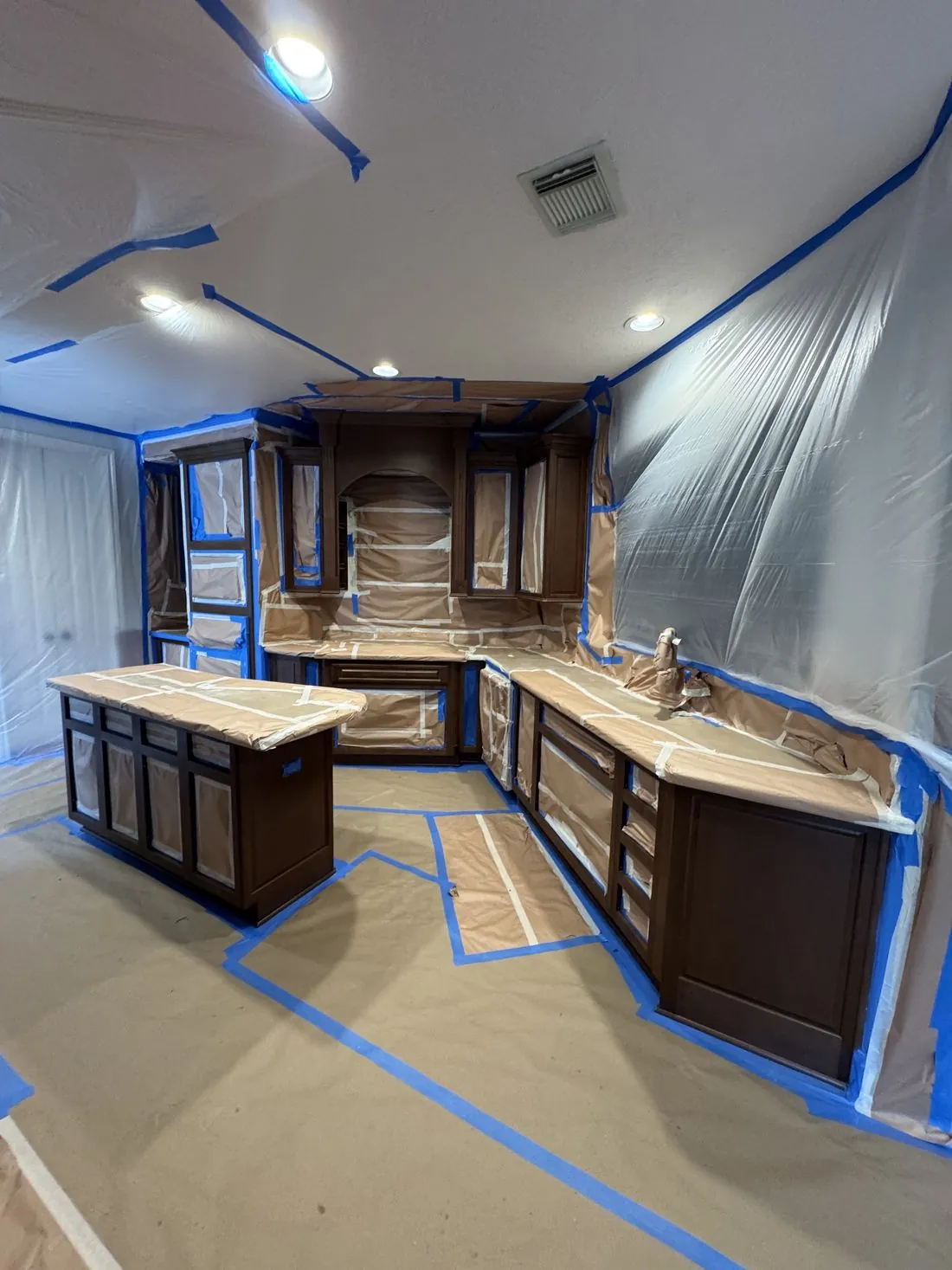
Preparing for kitchen cabinet painting means emptying the cabinets and counters, then planning around a kitchen you can’t use for parts of the job.
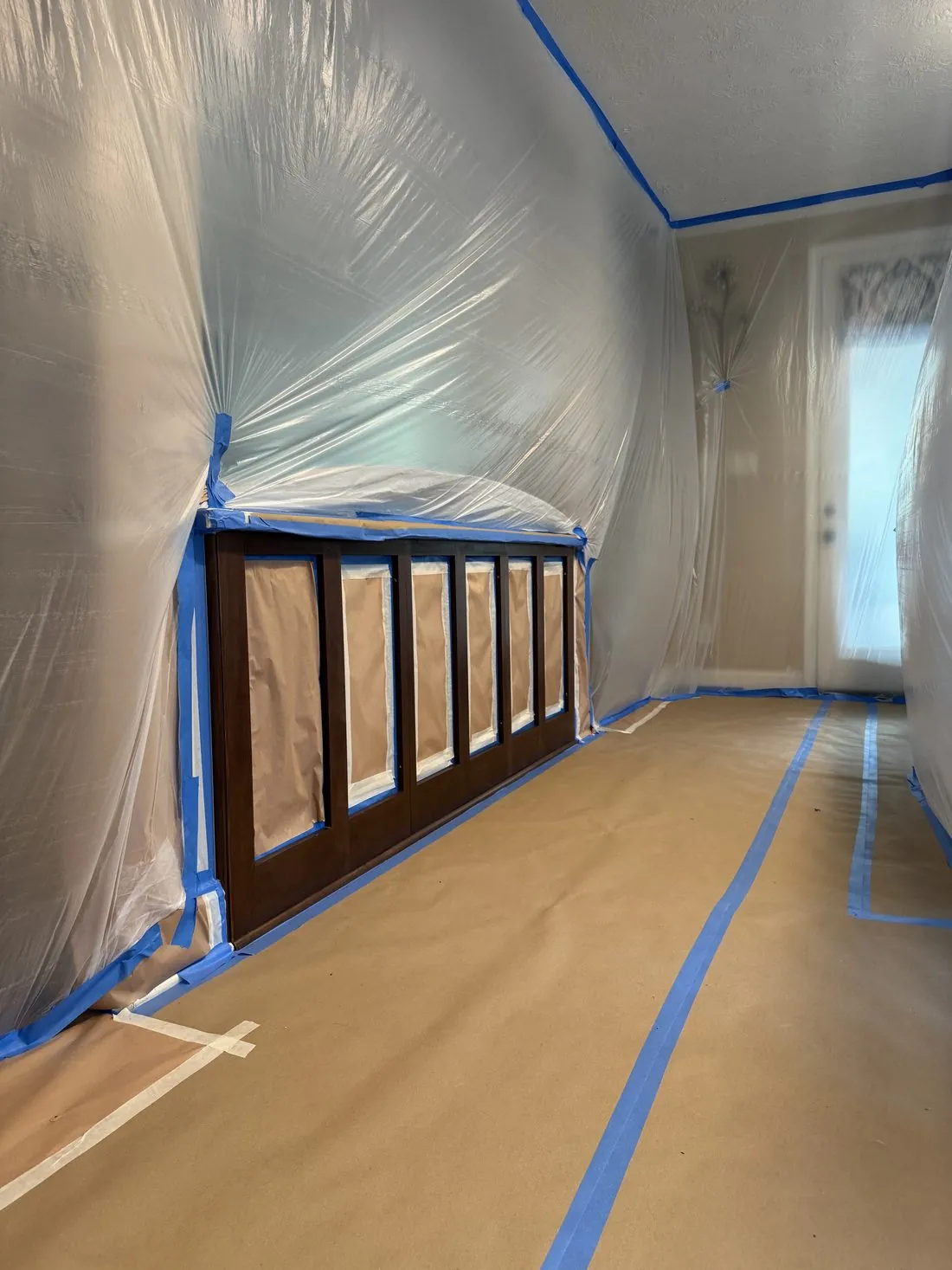
On a Rise and Prime cabinet job, the doors and drawer fronts are removed for prep and finishing as our standard process, and the spraying is done on site with the area contained. Access to the kitchen is limited in periods while that happens, and we’ll communicate access and reassembly timing before work begins.
- Empty every cabinet and drawer being painted, and the counters under them.
- Set up a small kitchen somewhere else: the coffee maker, the microwave, plates and whatever you reach for every day.
- Take off magnets, hooks and anything stuck to the doors ahead of time.
- Clear the tops of the upper cabinets and the space above the fridge, which are the places people forget.
Our cabinet painting in Houston page covers the finishes, the soft-close hinges fitted where the cabinets are compatible, and the full process from degreasing to reassembly.
Preparing the outside of the house
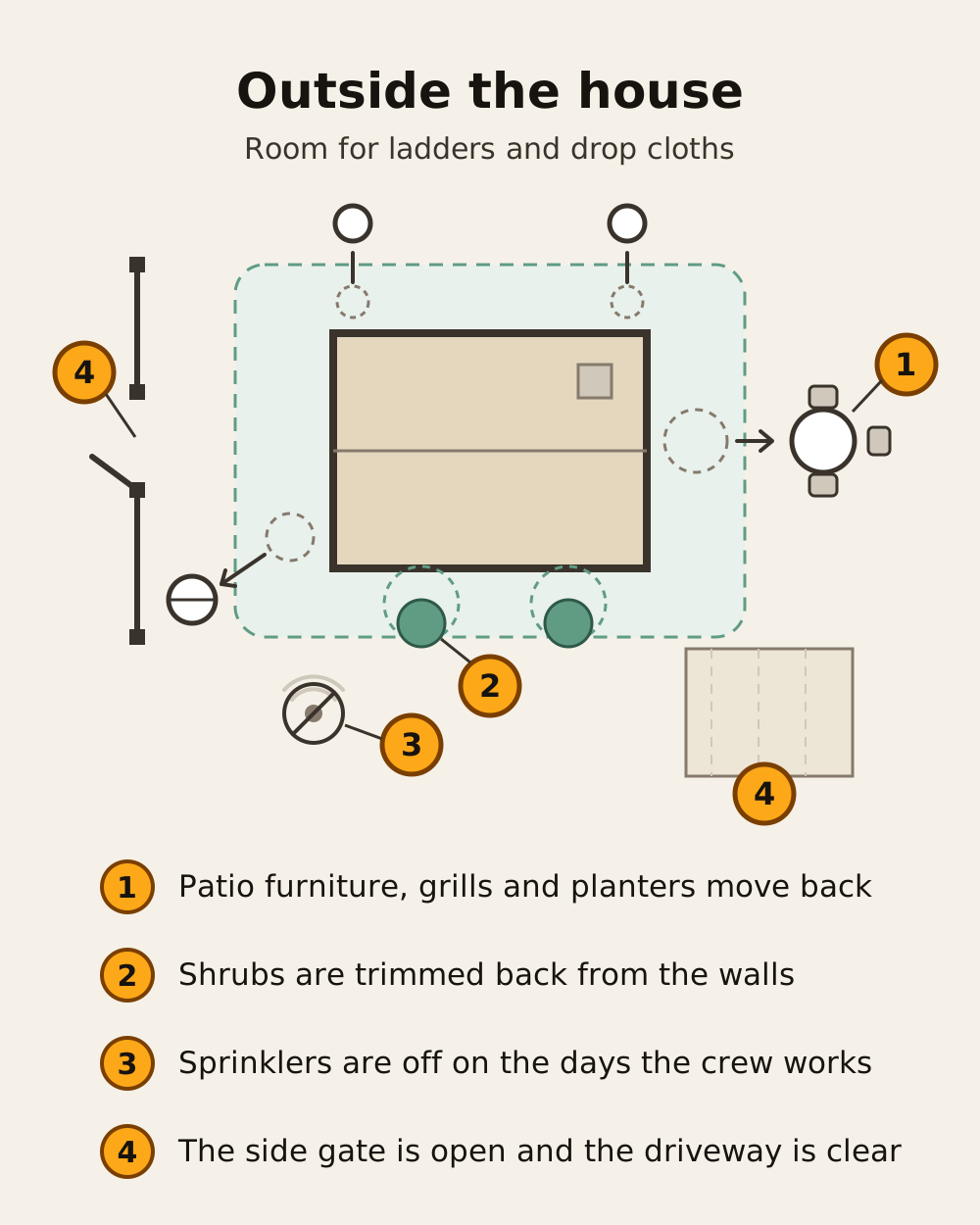
Preparing for exterior painting is mostly about clearing the ground and the walls next to the house, so ladders and drop cloths have somewhere to go.
- Move patio furniture, grills, planters and decorations a few feet away from the walls.
- Trim back shrubs and branches that touch the siding or the trim.
- Turn off the sprinklers on the days the crew is working, so water and fresh paint never meet.
- Open side gates, park clear of the driveway and keep pets inside.
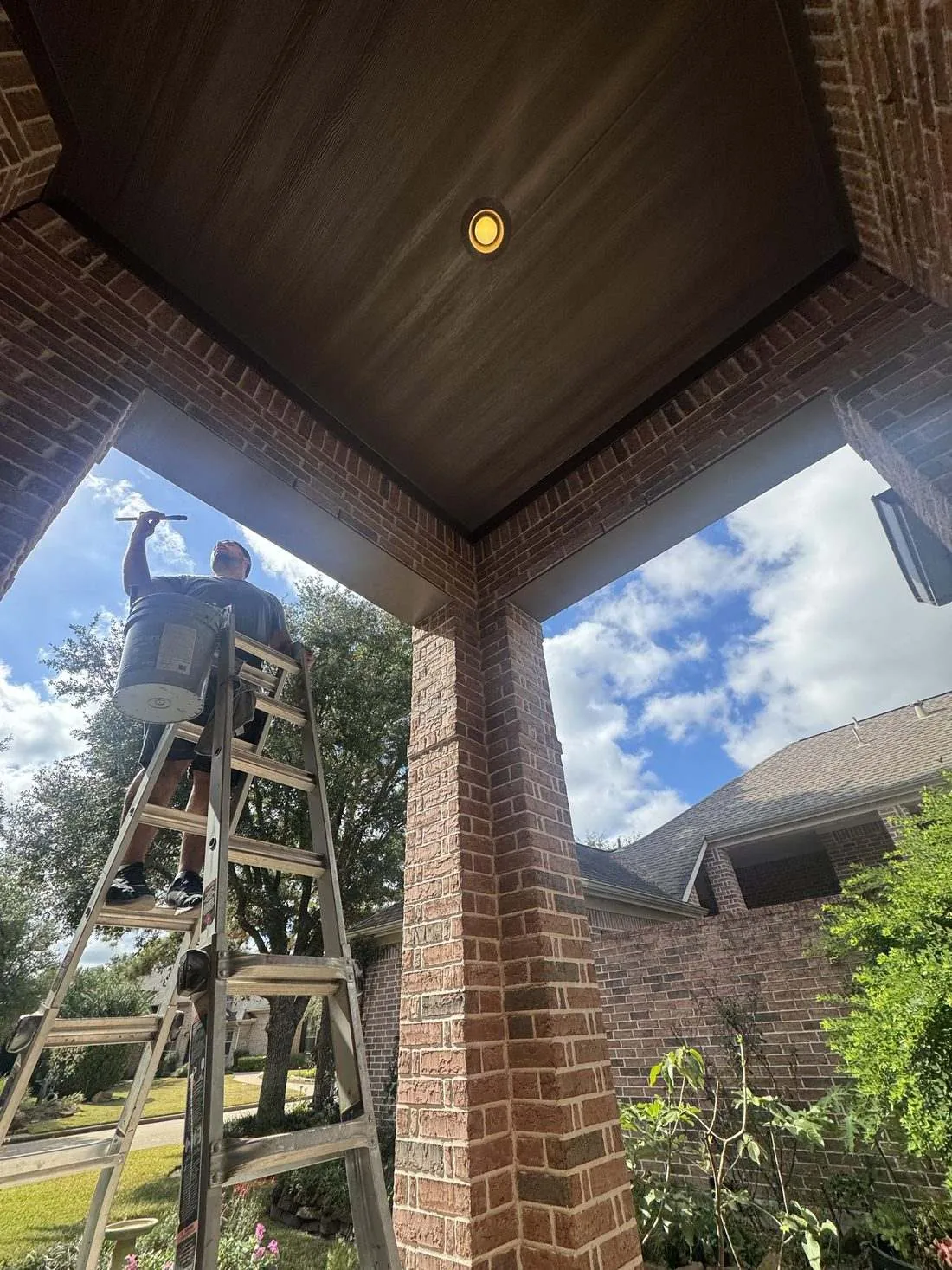
In Houston, the areas Ray pays closest attention to are fascia and soffits, sun-exposed elevations, trim and anywhere moisture gets in, and he identifies the most weathered of them during the inspection. Cleaning is decided by the condition of the surface, so ask at the walkthrough whether pressure washing is part of your house painting scope and whether you need to be home for it.
If your neighborhood has a homeowners association, exterior painting often needs the colors approved before the start date. An approval letter that arrives after the crew has started is the kind of delay nobody can paint around, and some associations want the exact color names and the sheen on the application.
What to settle before the first day
The decisions are the part of preparing for painters that nobody else can do for you. Colors, sheens, which rooms and surfaces are in, and what happens if you change your mind all belong in writing before work starts.
On Houston residential painting projects, the estimate Ray writes during the walkthrough fixes the price for the agreed scope. Anything outside it, like adding a hallway halfway through, is handled as a change order. A deposit schedules the work, larger projects may have progress payments, and the final balance is due after completion and the final walkthrough.
Booked projects include a color consultation, so if you’re stuck between three grays, or on a paint color for an accent wall, that conversation happens before the first can is opened. Ray and the crew speak Spanish, so the walkthrough and the questions on paint day can happen in either language. And if the question before all of this is how much does it cost to paint the house, the painting cost calculator gives a ballpark from your rooms, surfaces and their condition before anyone visits.
What happens on the last day?
The last day of a painting project ends with a final walkthrough, where you and the crew go room by room and mark anything that needs attention on a punch list.
- Walk it in daylight, and look along the walls at an angle, where missed spots and roller marks show.
- Check the edges where walls meet ceilings and trim, and around outlets and switches.
- Ask for the leftover paint, labeled by room, for touch ups later on.
- Ask when it’s safe to rehang pictures and push furniture back against fresh paint.
Punch-list items get fixed before the job is closed out. Our interior house painting in Houston page covers what full interior painting includes, from ceilings and walls to trim and doors.