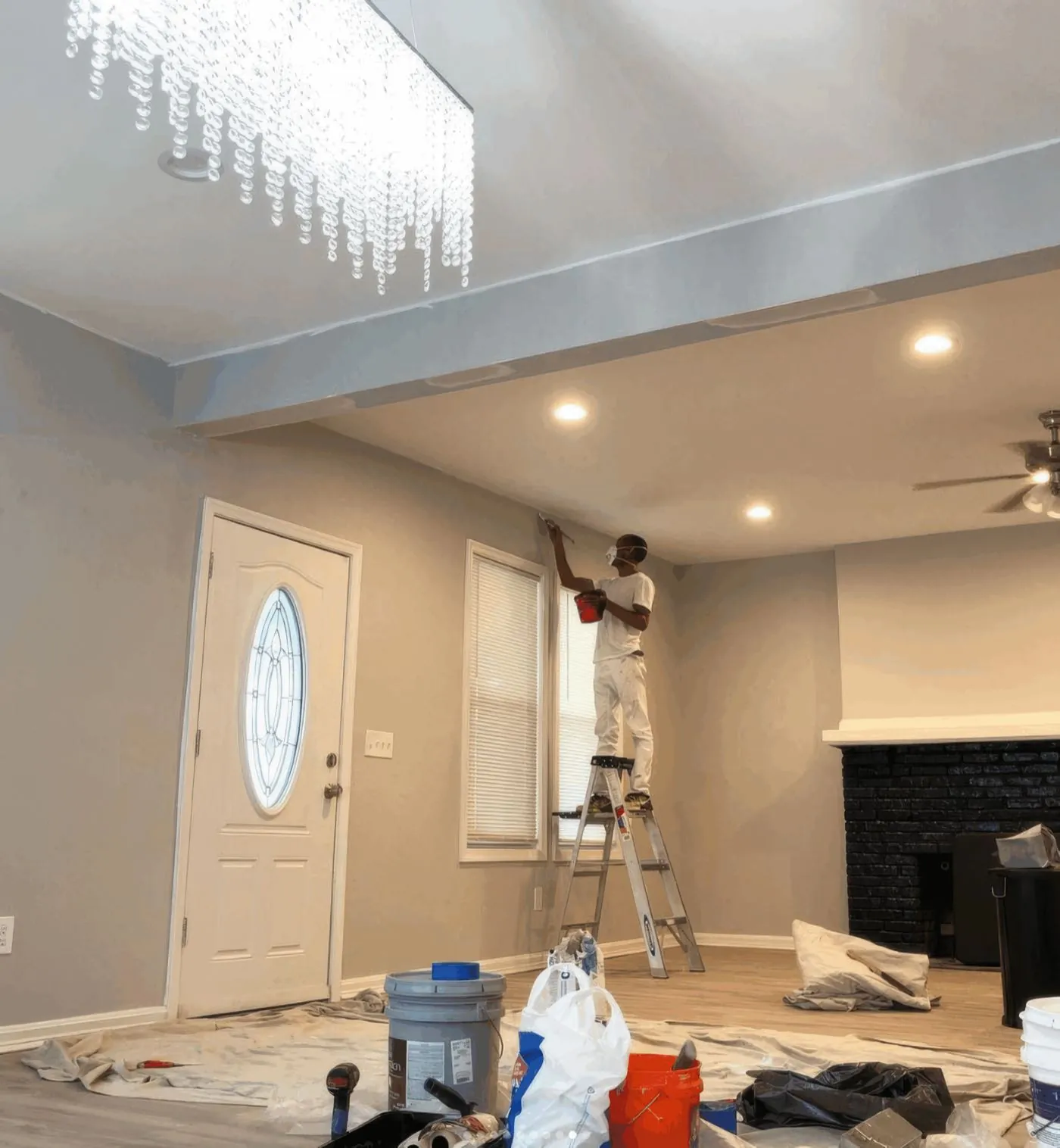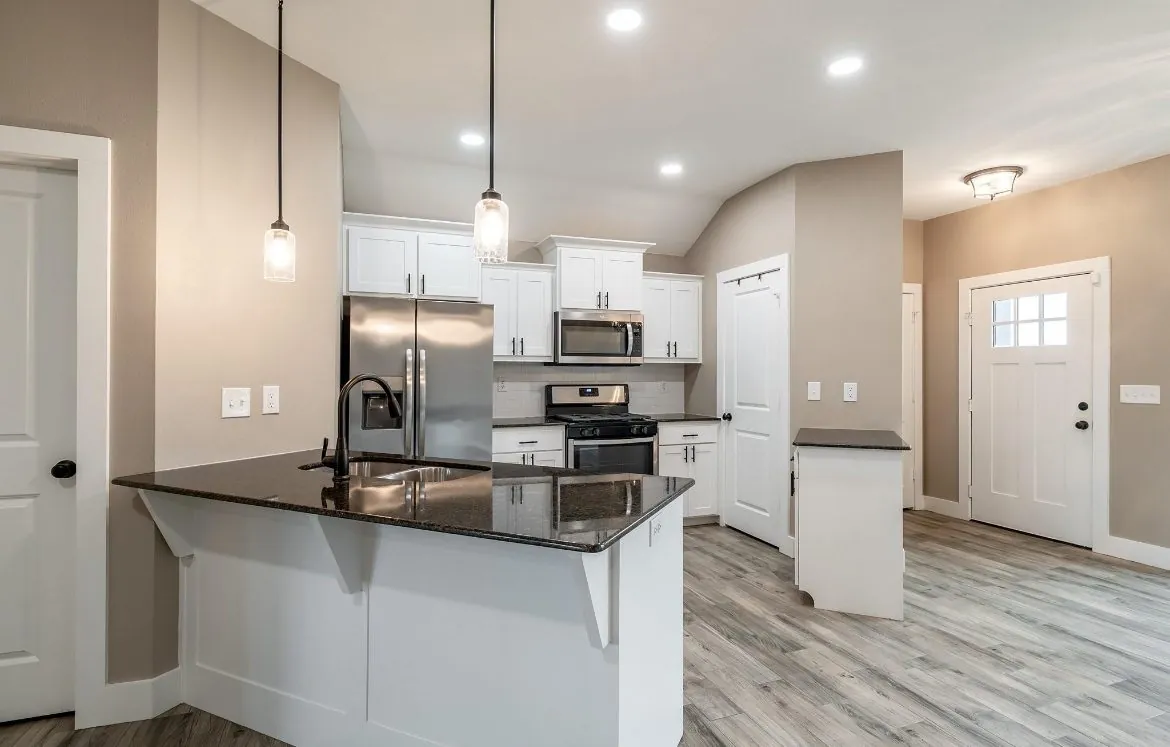
Two walls painted the same color can look like different rooms because of the finish. Sheen decides how much light bounces off the wall, how well it stands up to a sponge, and how much of the drywall underneath you can see. The best paint finish for walls is the one that balances those three for the room in question.
What is the best paint finish for walls?
For most living spaces, the best paint finish for walls is matte or eggshell. Both have enough sheen to wipe clean and little enough to hide the small dents, patches and seams every wall has. Move up to satin where walls get touched, splashed or scrubbed, and keep flat for ceilings, where any sheen picks up roller marks and ripples in the drywall.
“They took the time to understand my vision and provided helpful suggestions on colors and finishes that truly transformed my home.” Eladybell Gomez, Google review
Flat, matte, eggshell, satin and semi-gloss, compared
- Flat has no shine at all, so it hides bumps, nail holes and patched drywall better than anything else. The trade-off is that it marks and scuffs more easily and is harder to wash, so it belongs on ceilings and in rooms that rarely get cleaned.
- Matte carries a trace of sheen. Most imperfections still disappear under it, and it takes gentle cleaning better than a true flat, which makes it a comfortable choice for bedrooms and living rooms.
- Eggshell has a soft, low glow, like the shell it’s named after. It’s easy to clean, it looks calm in daylight, and it suits most living spaces, including dining rooms and home offices.
- Satin reflects more light and stands up to regular washing, so it earns its place in kitchens, bathrooms, hallways and children’s rooms. Patched or uneven walls show through it more than they do through eggshell.
- Semi-gloss is noticeably shiny and very easy to wipe down. Every flaw on a large wall shows under it, so semi-gloss is usually kept for trim, doors, cabinets and the parts of a bathroom that get wet.
Is eggshell or satin better for walls?
Eggshell is better for most walls, and satin is better for walls that take a beating. Homeowners often ask which one to choose, and it comes down to a trade. Eggshell sits lower on the gloss scale, so it hides more and looks softer in daylight. Satin reflects more light, so it scrubs clean more easily and shows a patched or uneven wall more clearly.
Use eggshell in living rooms, dining rooms and bedrooms. Use satin in high traffic areas like kitchens, bathrooms, hallways and children’s rooms, where walls get washed as often as they get looked at. If you’re torn between the two, put the lower sheen on large walls and the higher sheen on smaller, busier surfaces, because a sheen that’s too high is harder to live with than one that’s a little too low.
What the sheen names measure
Sheen names sound precise and aren’t. The Master Painters Institute measures gloss with a meter at a 60 degree angle, and sheen at 85 degrees for the flattest paints, and it defines seven gloss levels by those readings. The names on the can are a different matter, because no performance standard governs them, so one brand’s satin can measure like another brand’s eggshell.
| MPI level | Common name | Gloss units at 60° |
|---|---|---|
| Gloss level 1 | Flat | 5 or less |
| Gloss level 2 | Velvet | 10 or less |
| Gloss level 3 | Eggshell | 10 to 25 |
| Gloss level 4 | Satin | 20 to 35 |
| Gloss level 5 | Semi-gloss | 35 to 70 |
| Gloss level 6 | Gloss | 70 to 85 |
| Gloss level 7 | High gloss | More than 85 |
A lower reading hides more of the surface, and a higher one washes better. When you switch brands, compare the gloss level on the product data sheet, since the name on the label won’t tell you where a finish really sits.
Which finish hides wall imperfections?
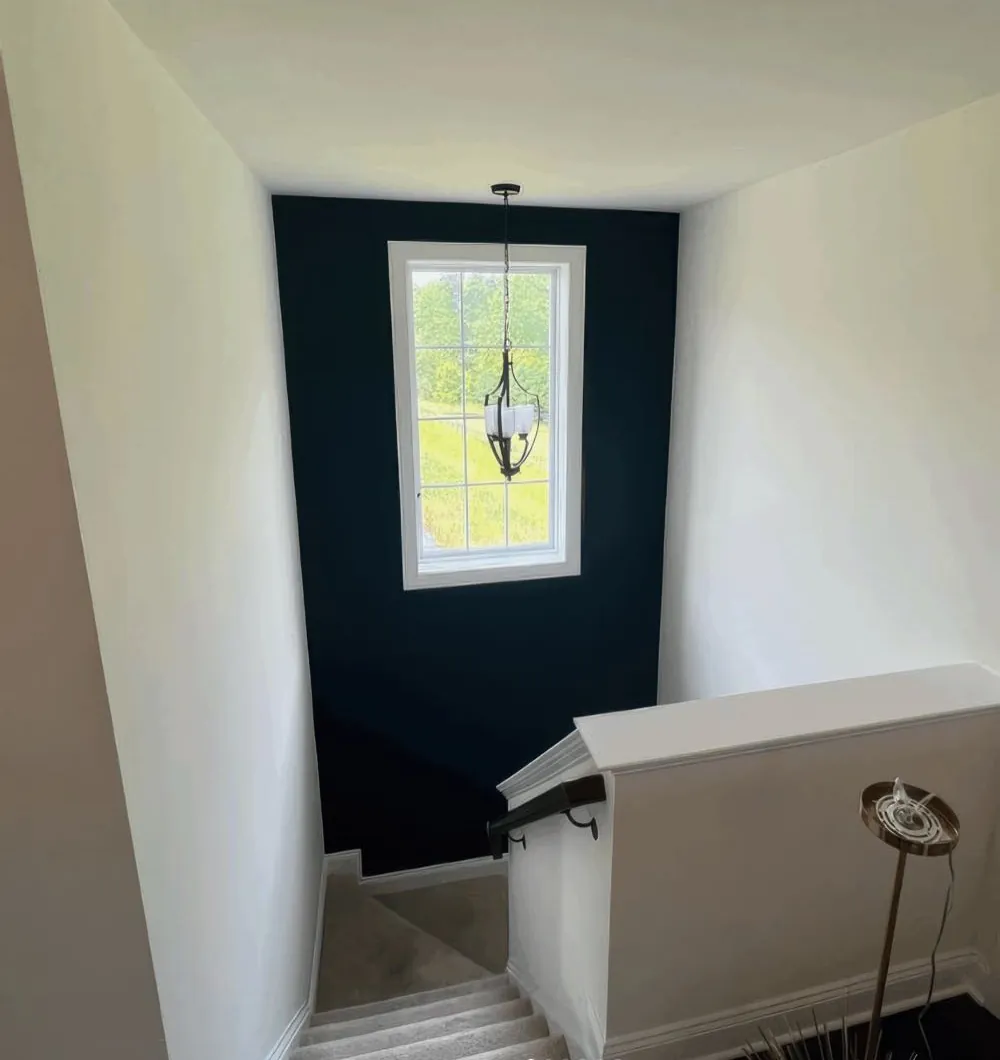
Flat and matte finishes hide wall imperfections best. A low-sheen film scatters light, so dents, patches and drywall seams fade into the wall, while a glossier film catches the light along every ridge and edge.
The drywall trade builds this into its own standards. The Gypsum Association’s levels of finish specify a Level 4 finish for smooth walls under flat paint, and call for Level 5, a skim coat over the whole surface, under non-flat sheens, dark and deep tones, or harsh light. That’s why a satin or a dark color on ordinary drywall can show seams that a matte finish would have hidden. The same logic applies to texture, covered in painting textured walls.
What paint sheen should you use in a bathroom?
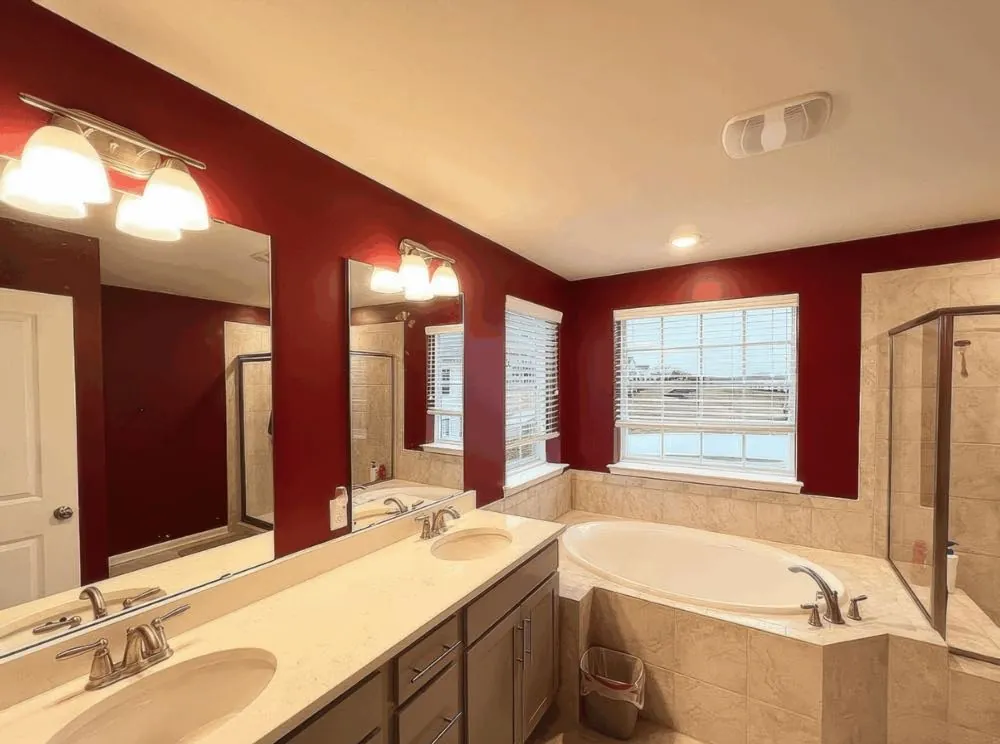
A satin or semi-gloss sheen is the usual choice for bathroom walls, because both wash clean and handle splashes better than a flat finish. Even so, sheen alone won’t keep moisture from lifting the paint. Sherwin-Williams says moisture from showers and cooking is what pushes paint off walls and ceilings, and it recommends an exhaust fan in any bathroom with a shower.
Dark colors need extra care in a bathroom. Sherwin-Williams notes that deeper colors carry more surfactant, and that moisture is the number one cause of surfactant leaching, the streaks that show up when steam reaches paint that hasn’t cured. Bathroom ceilings deserve the same thought, since steam rises and settles there first.
The best finish, room by room
Room by room, the right choice follows how each space gets used and how much light reaches it.
Bedrooms and living rooms
Matte or eggshell. Soft in daylight, and easy to touch up.
Kitchens and bathrooms
Satin or semi-gloss, so walls wash clean after splashes and steam.
Hallways and kids' rooms
Eggshell or satin, for the walls that collect handprints.
Ceilings
Flat. Any sheen overhead picks up roller marks and ripples.
Open-plan spaces are the exception to changing sheen room by room. Where a living room, kitchen and hall share walls, one sheen across all of them keeps the eye from catching a change at a corner, and the kitchen end can still be wiped, since eggshell and satin both clean well.
Basements and rooms with little daylight suit a flat or matte wall, where a low sheen keeps the light even and hides the patching that older walls tend to carry. Exterior walls follow their own rules, set by the weather, and the best exterior paint for humid climates walks through them.
Trim and doors
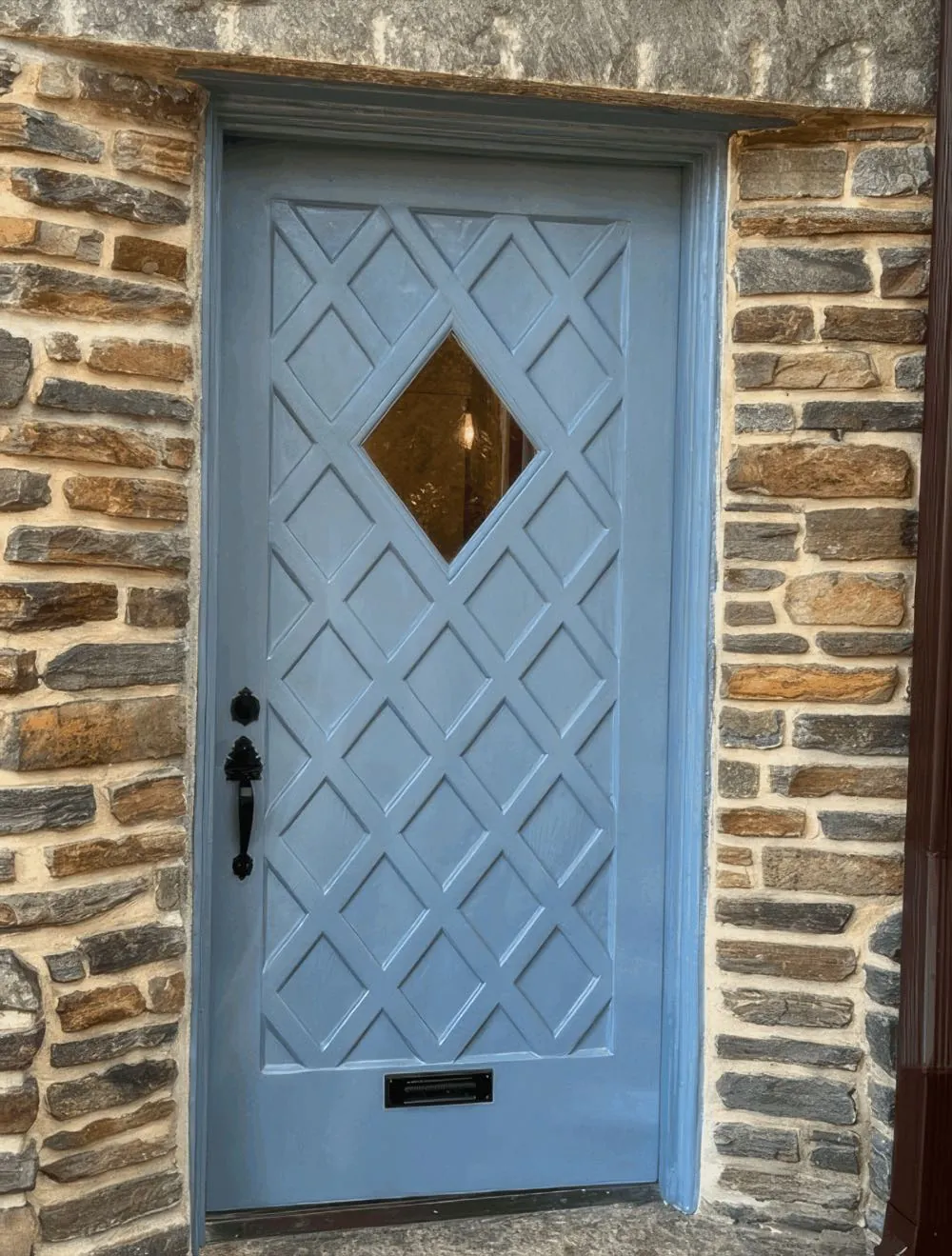
Trim and doors are where a higher sheen belongs. Semi-gloss suits them because they get handled and wiped far more than any wall, and a glossier edge makes the line between trim and wall read crisply. The full method is in how to paint trim.
What gives walls the smoothest finish?
The smoothest-looking walls come from the surface under the paint more than from the paint itself. A flat or matte sheen hides small ripples, but a wall that has to look smooth in satin, in a dark color or under strong side light needs its drywall finished to match, which the Gypsum Association sets out as a Level 5 finish.
The paint still plays a part. A premium interior line lays down more evenly, and a lower sheen keeps roller texture from catching the light. Where one long wall is lit from the side by a window, that’s the wall to judge a finish by, because it shows the most.
How to test a finish before you commit
A sample on the wall tells you more than any chip in the store, because sheen changes with the light.
- Paint a large patch on the wall you’re deciding about, or on a sample board you can move around the room.
- Look at it at different times, in morning light, afternoon light and under the lamps you use at night.
- Check it from the side, where sheen and any unevenness in the wall show most.
- Wipe a corner once it’s dry, to see how the finish handles cleaning.
Why do touch-ups show on some finishes?
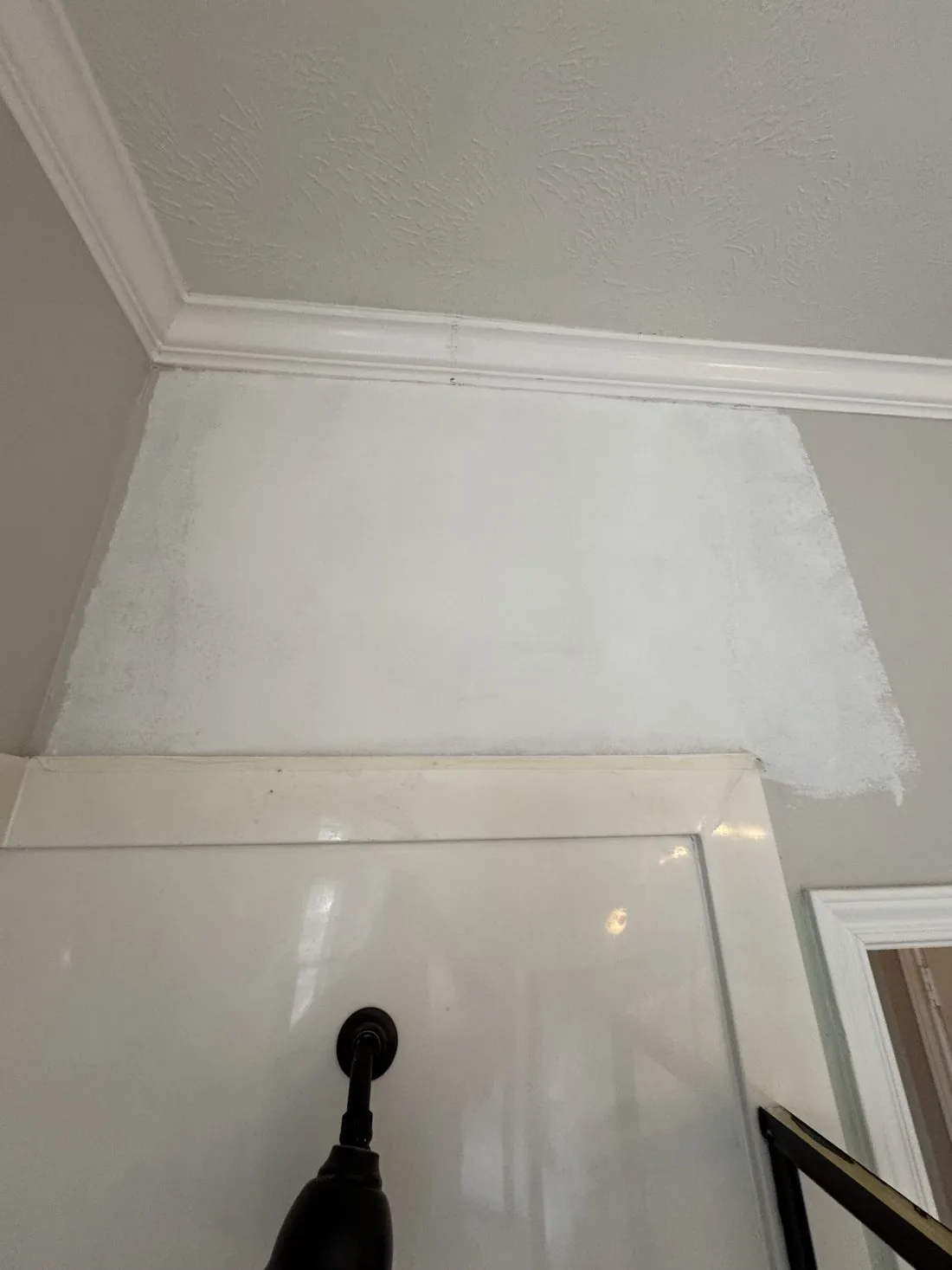
Touch-ups show when the patch doesn’t match the gloss of the wall around it. The difference in reflection, called flashing, is easiest to see on satin and semi-gloss and in light that rakes across the wall. Sherwin-Williams’ Emerald Urethane Trim Enamel data sheet notes that touching up with paint from the same batch as the original improves the result.
Keep a labeled can from every room, with the brand, the color name and the sheen written on the lid, and a future touch-up has a fair chance of disappearing. For the repair itself, follow how to fix chipped paint on walls.
If you’d prefer to hand the whole house to someone, our interior house painting in Houston names the product on the quote for every room, and cabinet painting in Houston takes care of the kitchen. For a ballpark first, try the painting cost calculator.