Texture hides small dents and gives a wall some character, but painting textured walls takes longer than painting a smooth one. Paint has to reach every low spot without the roller flattening the high ones, and a line against the ceiling is harder to cut. The right roller, a clean surface and a few habits make the difference between a wall that looks freshly painted and one that looks patchy up close.
Can you just paint over textured walls?
Textured walls can be painted over directly, as long as the surface is clean, dry and sound. Homeowners often ask whether a textured wall needs sanding first, and the answer is almost always no. Dust settles into texture and stays there, grease collects around kitchens and light switches, and cracks or holes need patching in a way that matches the pattern around them.
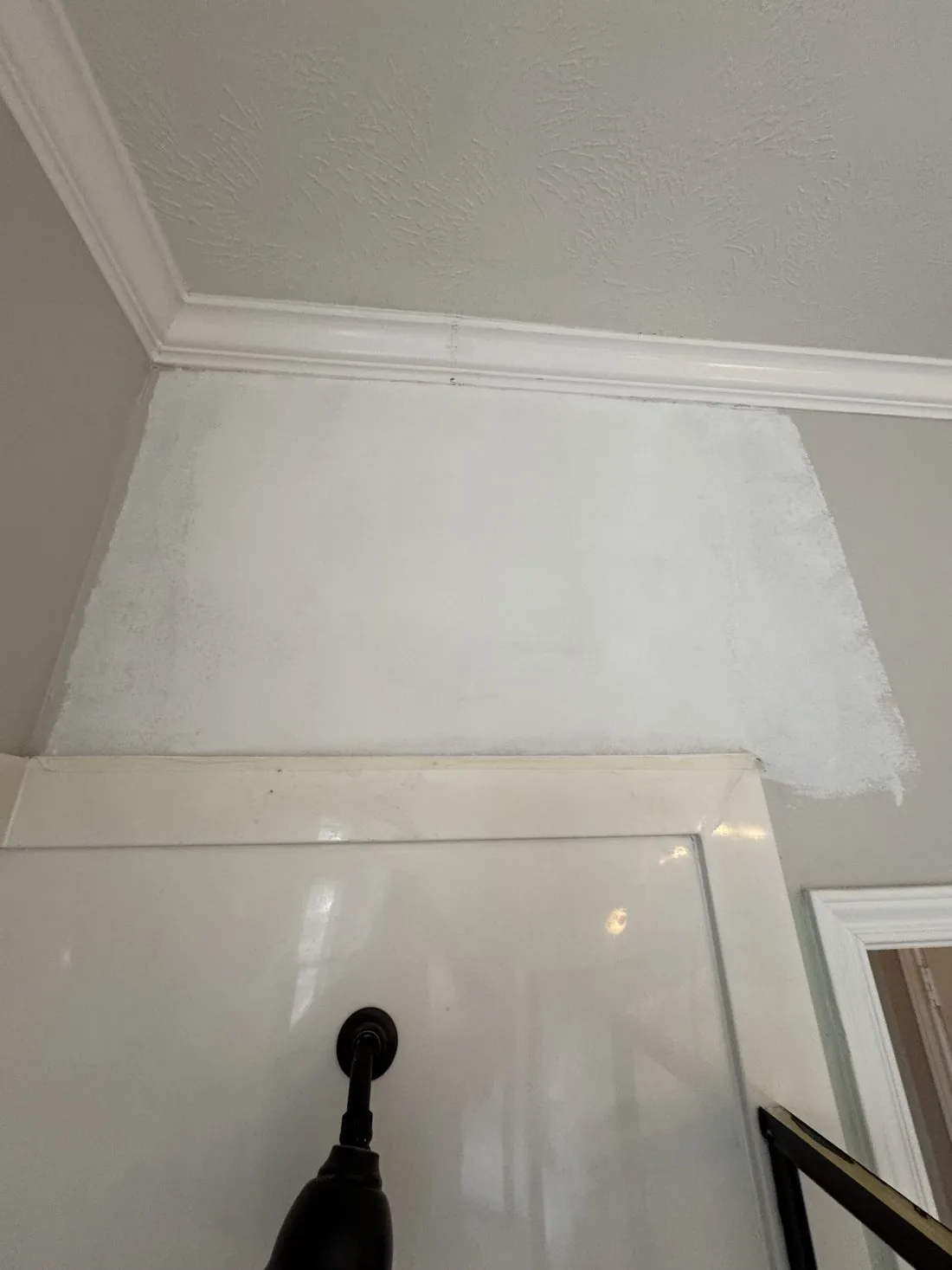
Primer isn’t always needed on a sound painted wall, but patches, water stains, bare drywall and big color changes all take one. A stain-blocking primer keeps an old water mark from bleeding back through the new color.
“…they were even able to match our one-of-a-kind drywall texture to perfect match!” Jeremy C, Google review
What you need for a textured wall
- A 9-inch roller frame and a nap cover sized to the texture
- A 2-inch angled brush for cutting in
- A paint tray with disposable liners
- A screwdriver for outlet and switch covers
- A vacuum with a brush attachment
- Spackle or joint compound for patches
- Painter’s tape and a tube of paintable caulk
- Primer, and the finish paint in a flat, matte or eggshell sheen
- Drop cloths and gloves
What is the best roller for textured walls?
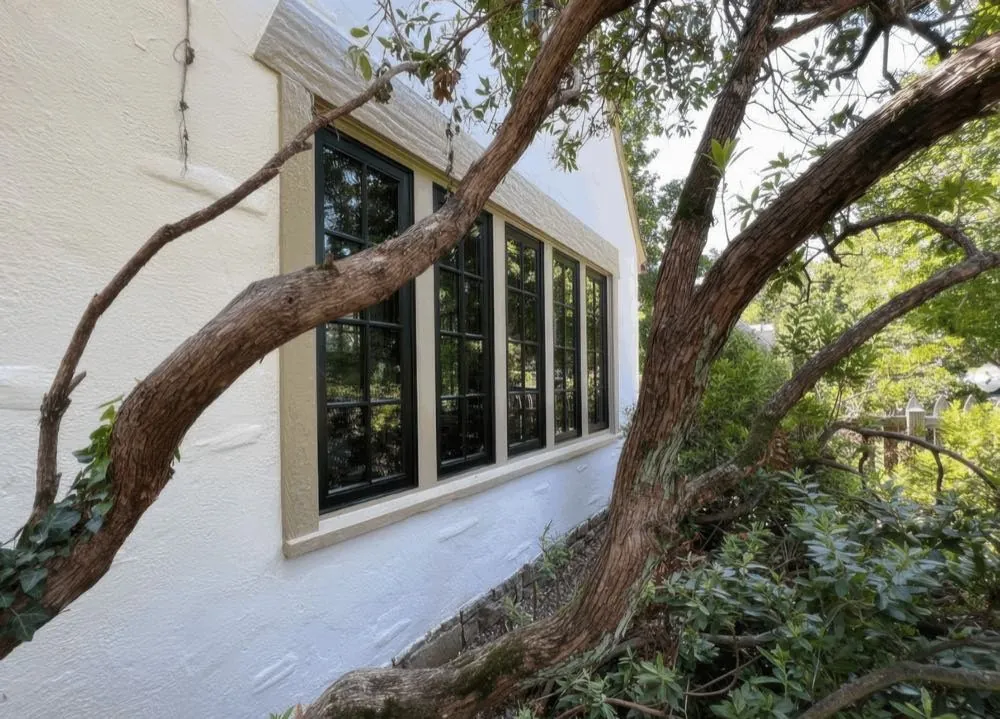
The best roller for textured walls has a nap long enough to reach the bottom of the texture. Sherwin-Williams publishes a nap guide by surface, and the rougher the surface, the longer the fibers need to be.
3/8 or 1/2 inch
Smooth and semi-smooth surfaces, such as ordinary drywall.
3/4 inch
Semi-rough surfaces, such as a textured ceiling.
1 to 1-1/4 inch
Rough surfaces, such as stucco or a heavily textured ceiling.
1-1/2 inch
Extremely rough surfaces, such as concrete block.
A light orange peel behaves like a semi-smooth surface, while knockdown and deeper hand-troweled patterns behave like semi-rough or rough ones. When you’re unsure, go one size longer, because a nap that’s too short leaves the valleys bare. Foam rollers aren’t worth trying on texture at all.
Check how old the texture is before you sand or scrape
Popcorn ceilings fall under the same warning. Until older texture has been checked, clean it gently and leave the sanding and scraping alone.
How to paint textured walls, step by step
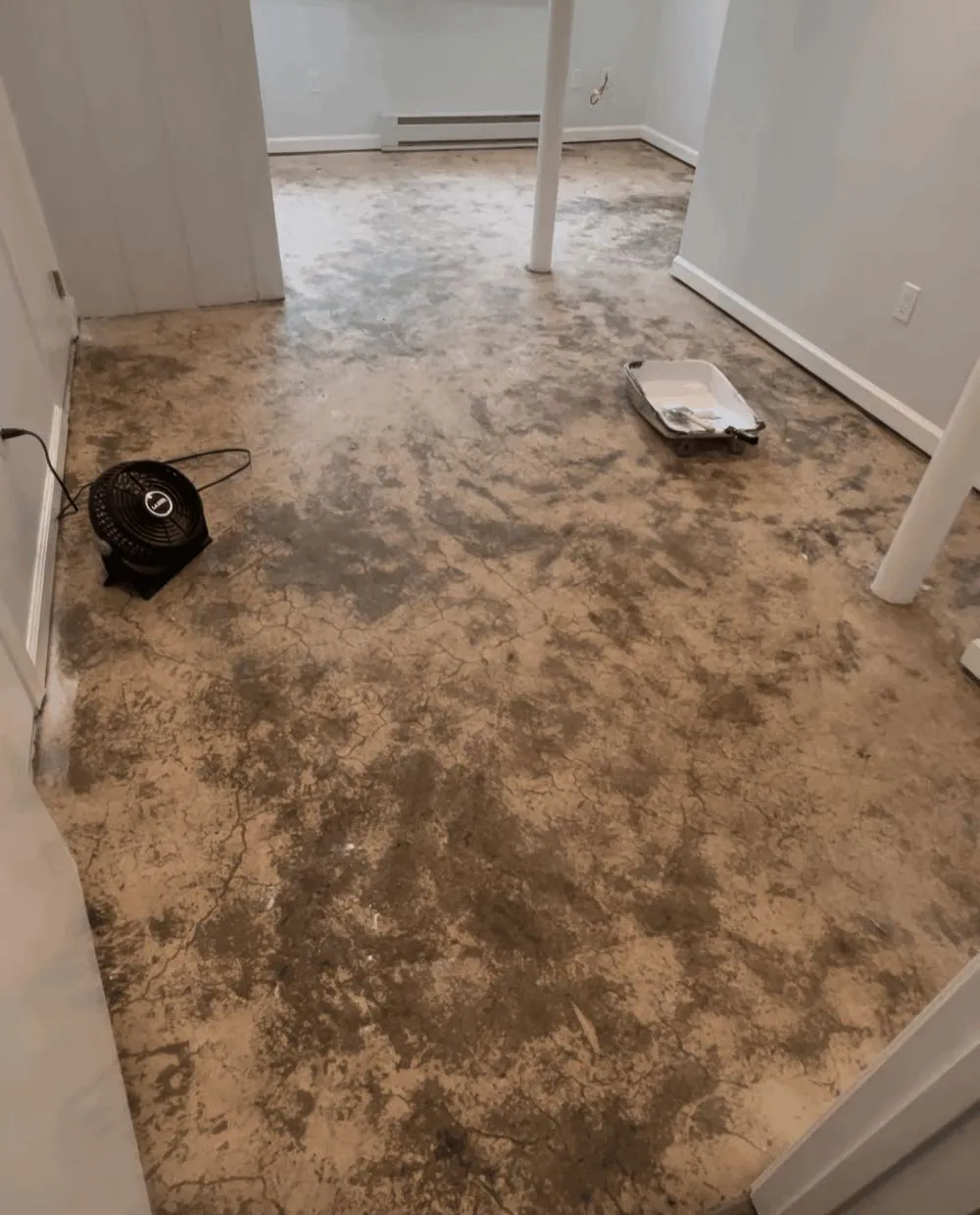
- Clear and protect the room. Move furniture to the middle, lay drop cloths, and switch off the power at the breaker before removing outlet and switch covers.
- Clean the texture. Vacuum the dust out of the grooves with a brush attachment, wash greasy spots with mild soap and water, and let the wall dry.
- Patch to match. Fill cracks and holes, then dab or stipple the patch while it’s soft so it picks up the pattern around it. The filling and sanding follow how to fix chipped paint on walls.
- Tape and seal. Press tape firmly along the trim and ceiling, and lay a thin bead of paintable caulk along its edge where the texture is deep.
- Prime what needs it. Patches, stains, bare drywall and strong color changes take primer before the finish.
- Cut in the edges. Brush a band along the ceiling, corners and trim, working the bristles into the texture.
- Roll in small sections. Load the roller fully, work about 4 feet at a time in overlapping passes, and let the nap do the work without pressing.
- Check from the side. Look along the wall in low, angled light for missed low spots, and dab paint into them with a brush while the section is still wet.
How do you get clean paint lines on textured walls?
Clean lines on textured walls come from sealing the edge. Tape alone bridges the grooves, so paint creeps underneath it. A thin bead of paintable caulk smoothed along the tape edge fills those gaps, or you can brush a light coat of the wall color along the tape first, so any bleed matches the wall. Pull the tape while the last coat is still wet.
Where a textured wall meets a smooth ceiling, a steady hand often beats tape entirely. Cut the ceiling line with an angled brush, following the texture’s peaks, and the small waves disappear from a normal viewing distance.
How do you paint textured walls and ceilings together?
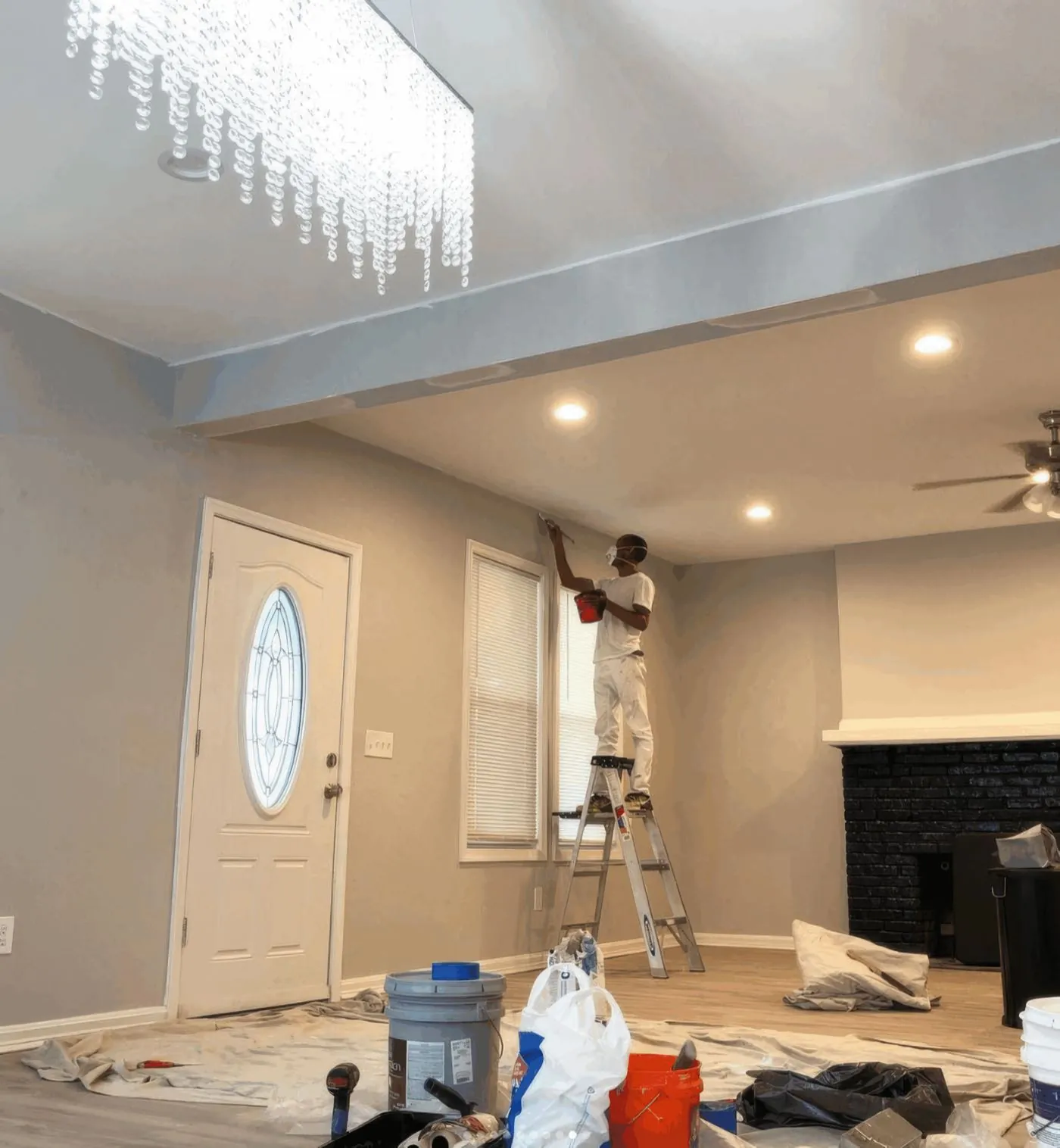
Paint the ceiling first and the walls second, so any drips land on a surface that hasn’t been painted yet. A textured ceiling sits in the semi-rough band of the Sherwin-Williams chart, which calls for a 3/4 inch nap, and an extension pole lets you roll it from the floor instead of a ladder. Roll the ceiling in straight passes across the room and keep a wet edge, because a ceiling shows lap marks in the light from the windows.
Popcorn ceilings are a separate job, and an older one needs the asbestos check before anyone touches it.
Are textured walls harder to paint?
Textured walls take longer to paint than smooth ones, and they use more paint. Every ridge adds surface area for the paint to cover, so a gallon covers less wall, and the roller has to be loaded and reloaded more often to keep coverage even. Plan the paint order with that in mind, and keep extra paint on hand for the touch-ups that follow.
A sprayer puts paint into deep texture quickly, and rolling the sprayed paint straight away works it into the valleys. For a single room, though, the masking a sprayer needs often takes longer than rolling the walls.
What type of paint is best for textured walls?
A good-quality interior acrylic latex in a flat, matte or eggshell sheen is the best paint for most textured walls. A better paint usually covers texture in fewer passes, and a lower sheen keeps the ridges from catching the light. Patched spots and bare drywall take primer first, so the finish dries to one even color across the old surface and the new.
Buy a little more paint than the wall’s square footage suggests. Texture adds surface area that the coverage figure on the label doesn’t account for, and coming up short halfway across a wall leaves a visible join where the second can starts.
Which sheen suits a textured wall?
A flat or matte sheen suits textured walls best. A low sheen scatters light across the ridges, while a higher one catches the light on every peak and makes heavy texture look busier. The Gypsum Association’s levels of finish pair flat paint with lighter textures and ordinary drywall finishing, and call for a smoother Level 5 finish under glossier or darker paints. For a room that needs washable walls, eggshell is the usual compromise, and the best paint finish for walls compares the rest.
How do you paint knockdown texture and stucco?
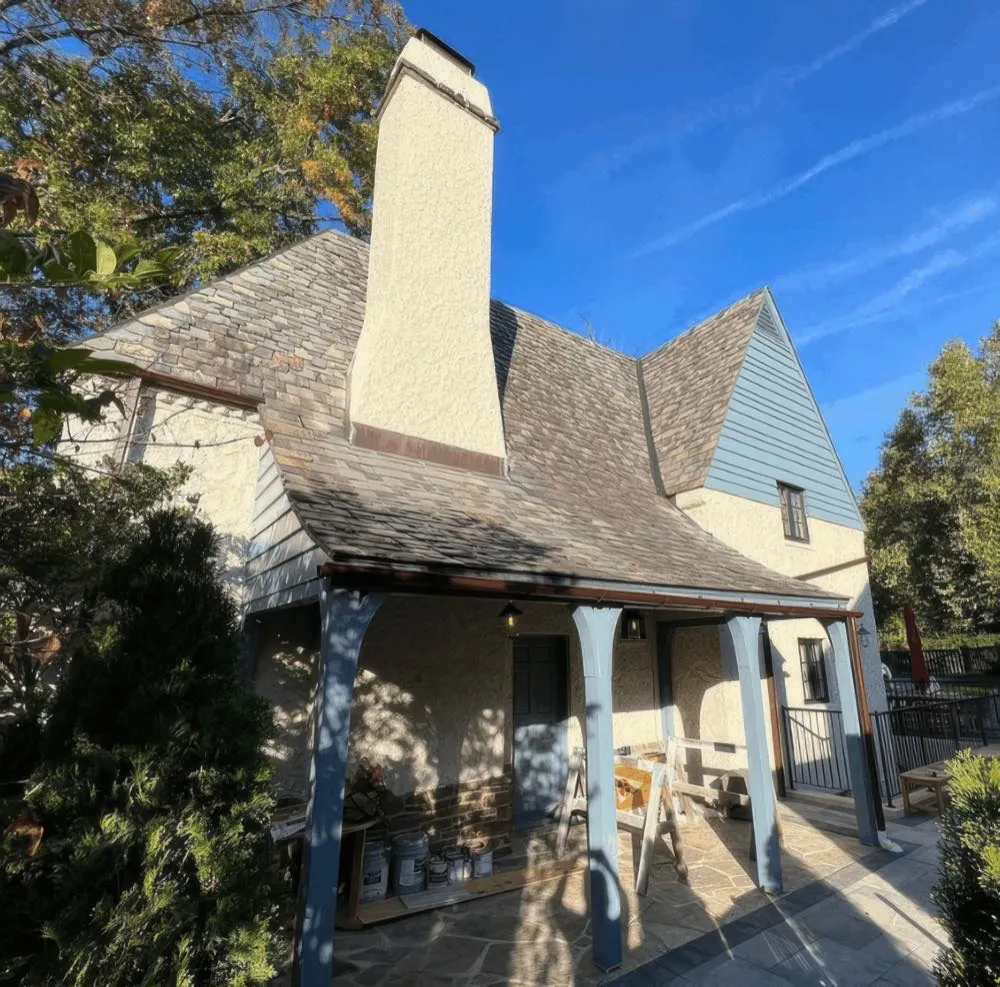
Knockdown texture has flattened peaks with low valleys between them, so it wants a medium nap, light pressure and a brush for any valleys the roller skips. Heavy hand-troweled texture and stucco sit at the rough end of the Sherwin-Williams chart, where a 1 to 1-1/4 inch nap is the recommendation.
Exterior stucco adds chemistry to the job. Masonry is alkaline, and Sherwin-Williams’ Loxon primer is made for it, accepting surfaces between pH 6 and 13 once they’re at least 7 days old. The coating also has to let the wall breathe, which is why the best exterior paint for humid climates starts with the surface underneath.
Washing stucco first
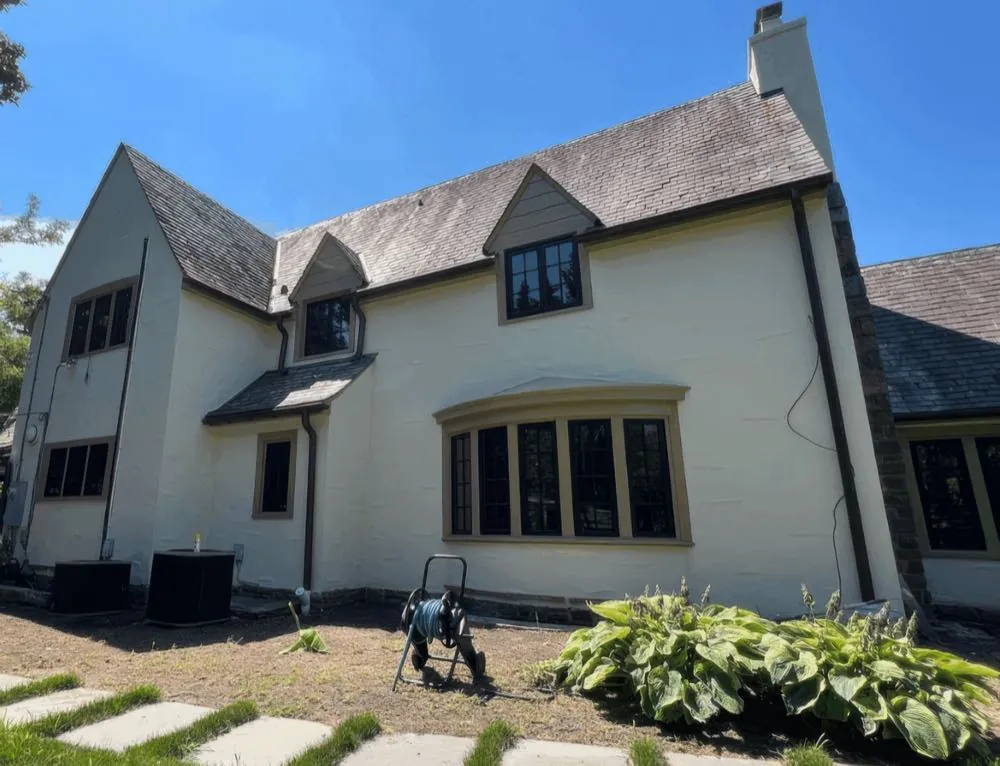
Stucco holds dirt and chalk in its texture the same way an interior wall holds dust, and outside, washing is how it comes clean before any primer goes on. Rise and Prime offers pressure washing in Houston as its own service and as the first step of an exterior repaint.
If you’d rather hand the job over, interior house painting in Houston takes textured walls from prep to the finish coat, and the painting cost calculator gives a ballpark before anyone comes out.